
System Tonnage
Larger homes require higher-tonnage systems, which carry higher equipment and installation costs. A proper load calculation ensures you're buying the right capacity — not oversizing or undersizing.
2
Professional HVAC System Replacements Built for Arizona Homes. Sapper HVAC installs and replaces rooftop package units and split systems across the Phoenix Metro.
Quick Answer — HVAC Installation in Phoenix
Sapper HVAC provides residential HVAC installation throughout Phoenix and the Phoenix Metro. We install and replace central split systems, package units, heat pumps and inverter systems, provide free installation and replacement estimates, and review sizing, ductwork, electrical requirements and installation scope before equipment is selected. Veteran-owned · AZ ROC #360142.
Quick Answer
Package units and split systems are the two most common whole-home HVAC configurations in Arizona. A package unit puts all heating and cooling components in one cabinet — usually on the rooftop or a ground pad outside the home. A split system separates the indoor air handler from the outdoor condenser. The right choice depends on your home's layout, roof type, and current setup. Sapper HVAC installs both across the Phoenix Metro. Veteran-owned. Licensed ROC #360142. Call (602) 206-7359.
Common Questions
A package unit combines all heating and cooling components — compressor, condenser coil, evaporator coil, and air handler — in a single cabinet installed outdoors, typically on a flat roof or ground pad. A split system separates the indoor air handler (attic or closet) from the outdoor condenser. Package units are common in flat-roof Arizona homes; split systems are standard for homes with pitched roofs and attic space.
Package unit replacement in Phoenix typically ranges from $5,500 to $130+ depending on tonnage, efficiency rating, gas vs. heat pump configuration, and whether crane access is required for rooftop installs. Sapper HVAC provides free estimates with full equipment and installation line-item breakdowns.
Split system installation in Phoenix typically ranges from $4,500 to $12,000+ depending on system size, efficiency tier, ductwork condition, and electrical needs. Most standard replacements fall in the $5,500–$9,000 range. Sapper HVAC's free estimate confirms your specific project cost.
Sometimes. Rooftop package unit replacement may require a crane if the unit weighs more than two people can safely lift or if the roof access doesn't allow a track system. Sapper HVAC evaluates crane requirements during the free estimate and includes that cost transparently if needed.
Most split system replacements are completed in 1 day. Rooftop package unit swaps typically take 1 day, though crane logistics can affect scheduling. Sapper HVAC communicates exact timelines before any work begins.
Qualifying package systems may be eligible for current utility rebates. SRP Cool Cash is $225 per ton on qualified units. Federal 25C expired after 2025. Sapper HVAC checks your eligibility before recommending equipment.
Sapper HVAC installs package units and split systems across Phoenix, Chandler, Mesa, Gilbert, Tempe, Scottsdale, Glendale, Peoria, Surprise, Goodyear, Avondale, Buckeye, Queen Creek, and surrounding cities. Veteran-owned. Licensed ROC #360142. Call (602) 206-7359.
Prices below reflect typical installed costs in the Phoenix Metro, including equipment, labor, permits, and startup. Crane fees for rooftop package units are included when required.
| SERVICE / ITEM | LOW | HIGH | NOTES |
|---|---|---|---|
| 2-Ton Package Unit (up to ~1,000 sq ft) | $5,500 | $8,000 | Small flat-roof home |
| 3-Ton Package Unit (~1,000–1,800 sq ft) | $6,000 | $9,500 | Most common AZ package unit size |
| 4-Ton Package Unit (~1,800–2,500 sq ft) | $7,000 | $11,000 | Larger flat-roof home |
| Heat Pump Package Unit (same tonnage) | +$500 | +$2,000 | vs. gas/electric package |
| Crane Rental (if required) | $400 | $1,200 | Rooftop installs only |
| Split System (2–5 ton, pitched roof) | $4,500 | $12,000+ | Attic air handler + outdoor condenser |
| Permits | $150 | $450 | Mechanical + electrical |
What's Included in Every Quote
These are planning ranges based on typical Phoenix Metro installations. Final pricing depends on equipment tier, roof access, electrical panel capacity, and current equipment costs. Sapper HVAC provides free written estimates.
The right system depends on your roof type, attic space, and current setup. Here's a direct comparison.
| FEATURE | PACKAGE UNIT | SPLIT SYSTEM |
|---|---|---|
| SYSTEM CONFIGURATION | All-in-one outdoor cabinet | Separate indoor + outdoor units |
| TYPICAL HOME TYPE | Flat-roof, no attic space | Pitched roof, attic or closet |
| INSTALLATION LOCATION | Rooftop or ground pad | Outdoor condenser + indoor air handler |
| CRANE REQUIRED | Sometimes (rooftop) | Never |
| EFFICIENCY RANGE | 14–17 SEER2 | 15–22 SEER2 (wider range) |
| TYPICAL COST RANGE | $5,500–$11,000 | $4,500–$12,000+ |
| HEAT PUMP OPTION | Yes — HP package units available | Yes — HP split systems available |
| SPACE REQUIRED INDOORS | None | Attic or utility closet |
Best For: Package Unit
Best For: Split System
Expert Verdict
In Phoenix, the choice is usually dictated by your home's existing layout. Flat-roof homes almost always use package units; pitched-roof homes use split systems. When both are options, split systems generally offer better efficiency at a comparable cost. Sapper HVAC will evaluate your specific home and recommend the system that makes the most sense — not the one with the highest margin.
Residential HVAC Installation Phoenix
Phoenix homes use two primary types of central HVAC systems: rooftop package units and ground-level split systems. Both deliver conditioned air through existing ductwork, but they differ significantly in configuration, installation requirements, and maintenance access. Understanding which system your home has — and whether it's the right fit for a replacement — is the first step in any installation project.
Proper system sizing is the most important variable in any installation. Arizona's extreme summer heat means an undersized system will run continuously, fail to maintain setpoint temperatures, and wear out years ahead of schedule. Sapper HVAC performs a full Manual J load calculation on every project — factoring in your home's square footage, insulation levels, roof type, window orientation, and local climate data. That calculation determines the correct tonnage, not a rule-of-thumb guess.
Energy efficiency matters especially in Phoenix, where cooling accounts for the majority of annual utility costs. Modern high-efficiency package and split systems can reduce cooling costs meaningfully compared to a decade-old unit running at diminished capacity. We'll help you evaluate the trade-off between equipment cost and long-term operating savings at the time of your quote.
Package Unit Installation Phoenix
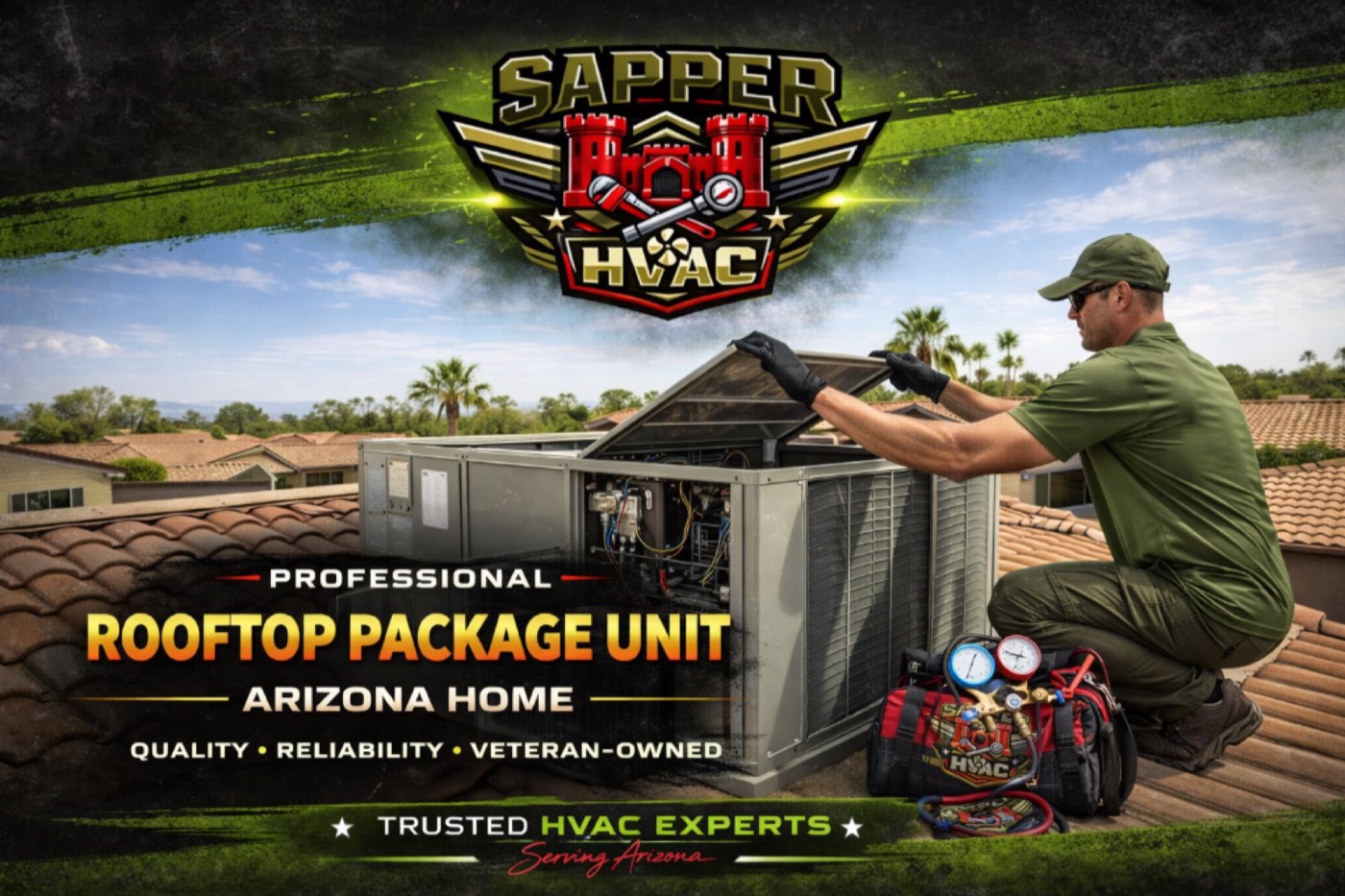
A package unit combines every HVAC component — compressor, condenser coil, evaporator coil, and air handler — into a single cabinet mounted on the roof. Ductwork runs from the rooftop unit directly into the home's supply and return system.
Rooftop package units are extremely common throughout the Phoenix Metro, particularly in homes built on concrete slabs where there's no attic or mechanical room for an indoor air handler. They're a practical, well-understood system type with a long track record in Arizona's climate. When properly sized and installed, they perform reliably for 12–18 years.
Rooftop package unit installed on Arizona home
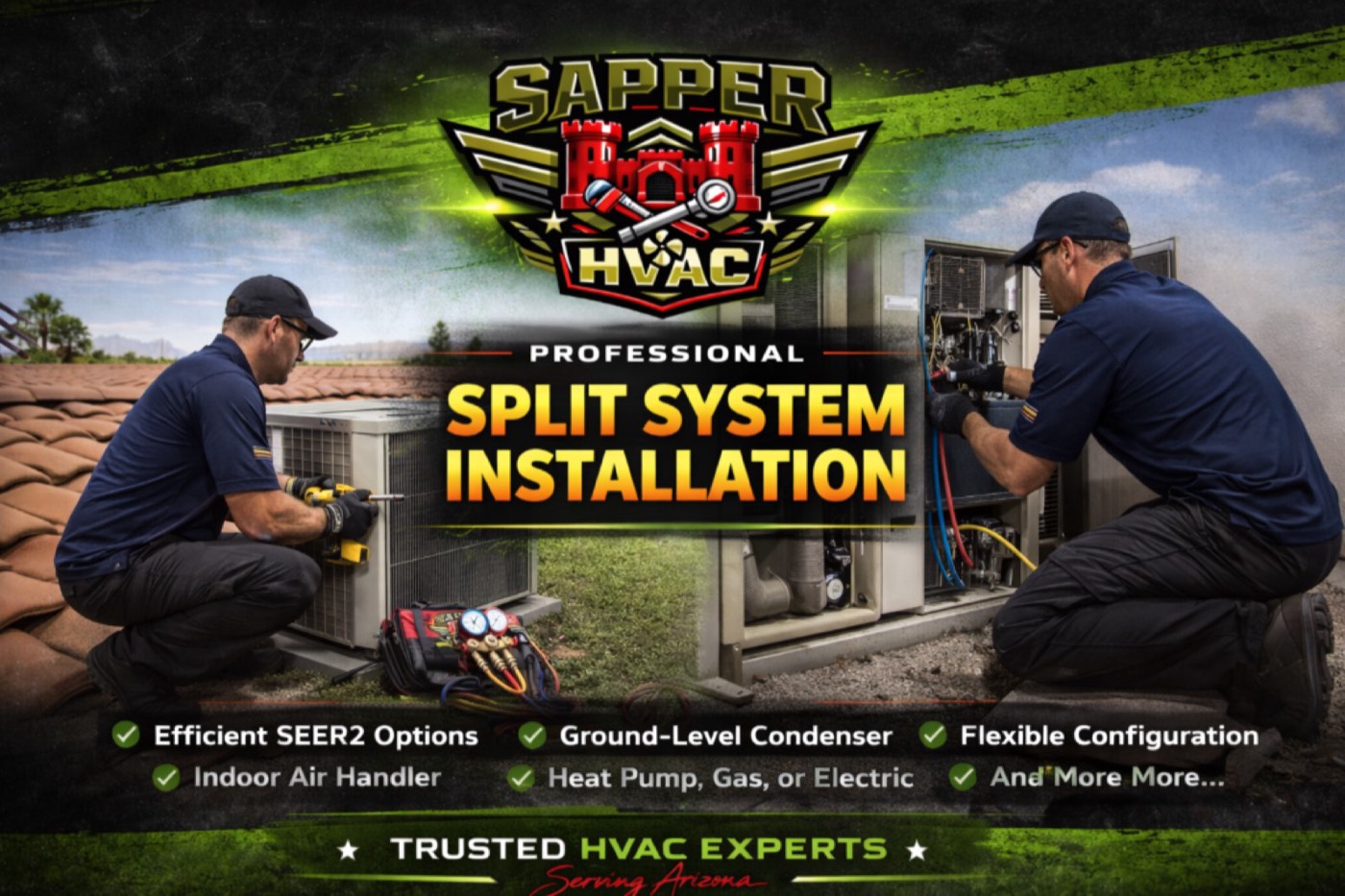
Outdoor condenser and indoor air handler — split system installation in Phoenix
Split System Installation Phoenix
A split system divides HVAC components across two locations: an outdoor condenser unit (which houses the compressor and condenser coil) and an indoor air handler or furnace (which houses the evaporator coil and blower). Refrigerant lines connect the two units; ductwork distributes conditioned air through the home.
Split systems are the standard configuration for newer Phoenix-area homes with attic space or dedicated mechanical closets. They offer more flexibility in equipment selection — including pairing with gas furnaces or heat pumps — and are typically easier to service at the condenser level since the unit is at ground level rather than on the roof.
Pricing Factors
Package unit and split system installation costs in Phoenix vary based on several factors. Sapper HVAC provides a fully itemized, transparent quote before any work begins — so you know exactly what you're paying for.
1
Larger homes require higher-tonnage systems, which carry higher equipment and installation costs. A proper load calculation ensures you're buying the right capacity — not oversizing or undersizing.
2
If existing ductwork is leaking, collapsed, or undersized, repairs or partial replacement may be needed alongside the new system. We assess duct condition as part of every site visit.
3
Rooftop package unit replacements sometimes require crane assistance, particularly for heavier units or homes with limited roof access. This is factored into your quote upfront.
4
Newer, higher-efficiency systems may require updated disconnects, dedicated circuits, or breaker upgrades. Sapper HVAC identifies electrical requirements before work begins — no surprise additions.
5
Mechanical and electrical permits are required for HVAC replacements in Arizona. Sapper HVAC pulls all required permits as part of every installation — included in your quote.
6
Higher-efficiency systems cost more upfront but reduce monthly energy bills significantly in Arizona's long cooling season. We'll walk through the payback period so you can make an informed decision.
Get a Transparent, Itemized Quote
Every quote is specific to your home, system type, and installation requirements — no generic pricing.
Equipment Options
Sapper HVAC partners with leading HVAC manufacturers to provide quality package unit and split system options at every efficiency level and price point. All installations come with manufacturer warranty registration and our 2-year labor warranty.
AirPure performance rating with reliable cooling for Phoenix homes.
High-efficiency split and package units rated for Arizona heat.
Quiet operation and premium efficiency options for split systems.
Dependable package units widely used throughout Phoenix Metro.
Affordable, reliable split and package units for basic to mid-range budgets.
High-efficiency inverter-driven systems optimized for extreme heat.
Not sure which brand is right for you? At your free consultation, Sapper HVAC will discuss reliability, efficiency ratings, warranty coverage, and pricing across all available options. We'll help you find the system that makes the most sense for your home, budget, and climate.
Residential HVAC Installation Phoenix
01
We perform a Manual J load calculation before recommending any equipment — accounting for your home's size, insulation, roof type, and Phoenix's climate data to determine the correct system tonnage.
02
Based on the load calc, we recommend the right system type (package or split), tonnage, and efficiency rating. We walk you through options with transparent pricing before any commitment.
03
Existing equipment is safely disconnected, refrigerant is recovered per EPA regulations, and the old unit is removed and disposed of. For rooftop units, we coordinate crane access when required.
04
The new system is installed to manufacturer specifications and Arizona code requirements. Duct connections, line sets, and equipment mounting are properly secured and sealed.
05
Disconnect, breaker, and wiring are verified to match the new system's requirements. Your thermostat is configured and tested — smart thermostat included if applicable.
06
We perform a full system startup, verify refrigerant charge, check airflow and temperature differential, and confirm the system is operating within spec before we leave.
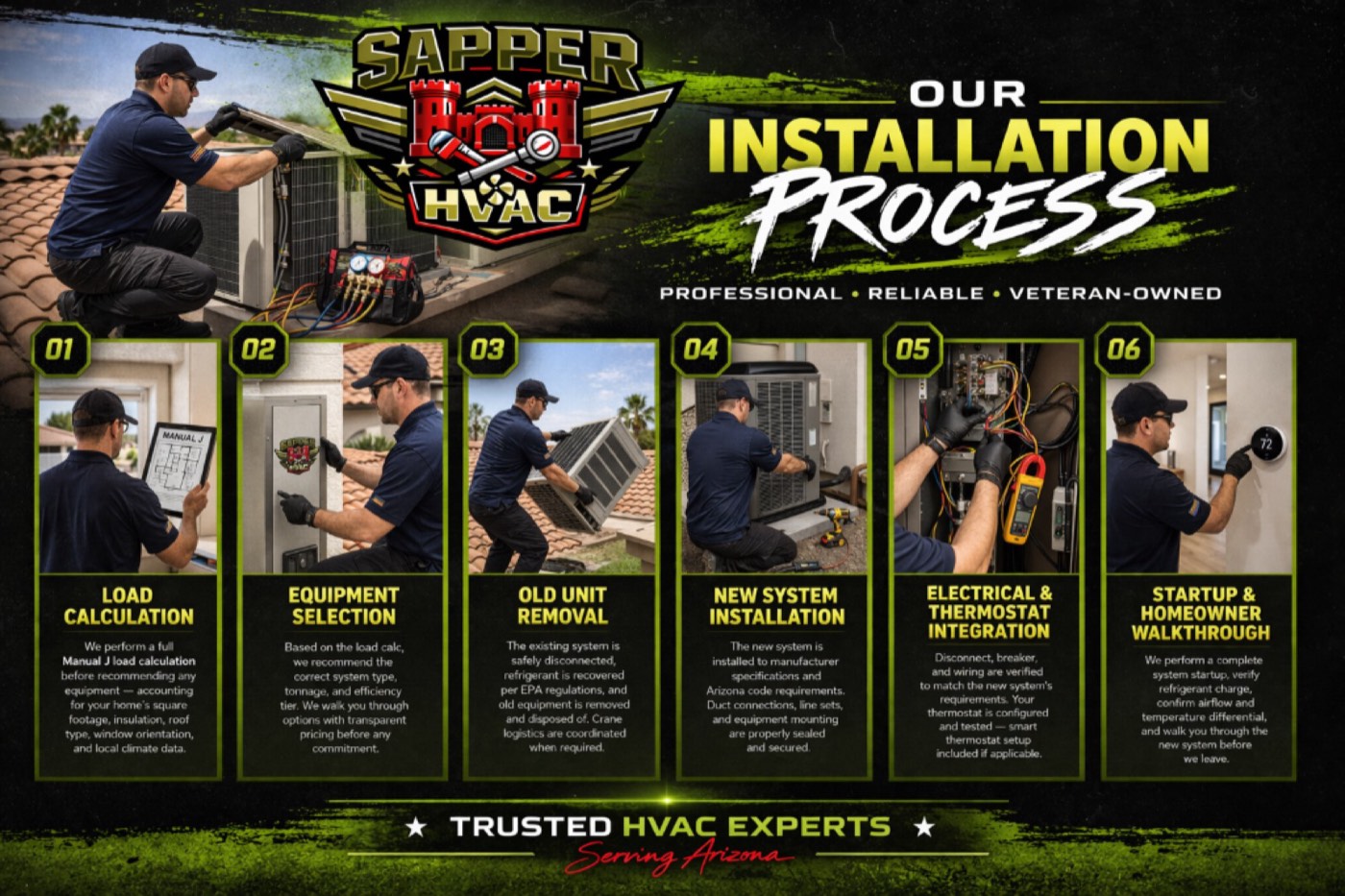
Every Install: Code-Compliant and Fully Tested
We don't leave until the system is running correctly
Rooftop AC Replacement Phoenix
Arizona's summer climate is unforgiving to aging HVAC equipment. These are the signals that indicate replacement is the right next step — not another repair.
Most package units and split systems in Phoenix last 12–18 years. Approaching or past that range — especially with Arizona's heat load — and replacement typically makes more financial sense than continued repairs.
A failed compressor often costs as much as a new system on an older unit. If the compressor goes on a system over 10 years old, replacement is almost always the better investment.
Steadily increasing cooling costs without a change in usage signal a system that's losing efficiency. A properly sized, modern replacement can cut cooling energy consumption significantly.
Rooms that consistently run warmer than the rest of the house suggest a system that's undersized, failing, or working against deteriorated ductwork.
R-22 (Freon) was phased out in 2020. If your system still uses it, refrigerant and parts are expensive and hard to source. Replacement with a modern R-410A or R-32 system is the practical path forward.
Multiple service calls in the past two seasons is a clear signal. Add up those repair bills and compare them to the cost of a new, warranted installation — the math often favors replacement.
Installed prices below cover Phoenix Metro package and split system replacements. Both include equipment, labor, permits, and startup — no hidden fees.
| SERVICE / ITEM | LOW | HIGH | NOTES |
|---|---|---|---|
| Package Unit (2–3 ton) | $4,500 | $7,500 | Rooftop or side-yard all-in-one |
| Package Unit (4–5 ton) | $6,500 | $10,000 | Larger homes; high-efficiency models |
| Split System (2–3 ton) | $5,500 | $9,000 | Separate outdoor/indoor units |
| Split System (4–5 ton) | $7,500 | $12,000 | High-efficiency; variable speed |
| Electrical Panel Upgrade (if needed) | $800 | $2,500 | If existing panel can't support new system |
| Ductwork Modifications (if needed) | $400 | $1,500 | Connection points only; not full re-duct |
What's Included in Every Quote
Final pricing depends on system size, efficiency tier, existing ductwork condition, and electrical capacity. Sapper HVAC provides written estimates before any work begins.
Both systems cool and heat effectively in Arizona. The choice is usually determined by your home's physical layout and existing infrastructure.
| FEATURE | PACKAGE UNIT | SPLIT SYSTEM |
|---|---|---|
| PHYSICAL SETUP | Single outdoor cabinet (rooftop or side) | Outdoor condenser + separate indoor air handler |
| COMMON IN PHOENIX FOR | Flat-roof homes, commercial, older tract homes | Most residential homes with utility closets or attics |
| INSTALLATION COMPLEXITY | Simpler — one unit, one duct connection | Two units; refrigerant lines run between them |
| EFFICIENCY RANGE | 14–18 SEER2 typical | 15–22+ SEER2 (higher efficiency available) |
| FOOTPRINT | All mechanical in one outdoor location | Requires indoor space for air handler |
| REPAIR ACCESS | All components outside; easier access | Some components inside; varies by home |
| COST RANGE (INSTALLED) | $4,500–$10,000 | $5,500–$12,000 |
Best For: Package Unit
Best For: Split System
Expert Verdict
In Phoenix, the choice between a package unit and split system is almost always determined by your home's physical setup — not performance. Both cool effectively in Arizona's heat. If you currently have a package unit, replacing it in-kind is the simplest and most cost-effective path. If you have an existing split system, replacing it in-kind avoids ductwork modifications.
ARIZONA HVAC REALITY
Phoenix's climate and housing stock create HVAC installation challenges that most contractors outside the Southwest simply don't encounter. These factors directly affect which system makes sense for your home and how it should be installed.
Rooftop package units in Phoenix sit in direct sun on dark roofing material. Ambient temperatures around the unit can exceed 130°F. Proper equipment selection — units rated for high-ambient operation — is essential. Standard units not rated for these conditions will trip on thermal cutoff regularly during peak summer.
Phoenix home attics regularly exceed 160°F in summer. Ducts running through these spaces must be fully sealed and insulated to prevent massive heat gain and energy loss. Sapper HVAC inspects existing ductwork as part of every replacement and addresses sealing issues that would undermine a new system's performance.
A large percentage of Phoenix Metro homes built from the 1960s through the 1990s were designed specifically for rooftop package units. These homes often have no mechanical closet and no ground-level equipment pad — making a like-for-like package unit replacement the most practical and cost-effective path.
Arizona monsoons bring high winds, blowing dust, and potential lightning — all of which create stress for rooftop equipment. Properly sealed cabinet screws, clean coils, and surge protection are particularly important for rooftop units in the Phoenix Valley.
WARNING SIGNS
SYSTEM COMPARISON
| Factor | Package Unit (Rooftop) | Split System (Ground) |
|---|---|---|
| All components in one unit? | ✓ Yes (rooftop) | No — split between indoor/outdoor |
| Typical Phoenix home type | Slab homes, pre-2000 builds | Most construction types |
| Mechanical closet needed? | No — all outdoors | Yes — indoor air handler space |
| Service access | Roof access required | Two-point access (inside + outside) |
| Typical SEER2 range | 14–16 | 14–18+ |
| Best for duct replacement? | When rooftop already exists | When ground unit space exists |
| Crane required? | Sometimes (large units) | Rarely |
OUR PROCESS
01
We evaluate your existing rooftop or split system, ductwork condition, and electrical infrastructure. We identify any issues that could affect the new system's performance before we quote.
02
Proper sizing is non-negotiable. We calculate the exact tonnage your home requires using real climate data, insulation values, window orientation, and square footage — not rules of thumb.
03
We present you with equipment options at different efficiency and price points, with a clear breakdown of all costs. No surprises at the end of the job.
04
We pull the required mechanical and electrical permits. For rooftop units, we arrange crane access when required. Most replacements are completed in a single day.
05
We verify proper airflow, refrigerant charge, and electrical operation before sign-off. Manufacturer warranty is registered, and Sapper HVAC's 2-year labor warranty is activated.
ENERGY SAVINGS
Replacing an older 10–12 SEER system with a modern 14–16 SEER2 package or split system can reduce cooling energy use by 20–35% in Phoenix. For homes running systems 7–8 months per year, that's a meaningful annual savings — especially as APS and SRP rates continue to rise.
High-efficiency models may qualify for current utility rebates. SRP Cool Cash is $225 per ton on qualified units. Federal 25C expired after 2025. Sapper HVAC identifies qualifying equipment at the time of your quote.
20–35%
Cooling cost reduction upgrading from older 10–12 SEER system
Expired
Federal 25C ended after 2025
1 Day
Typical installation time — most replacements completed same day
12–18 yrs
Expected system lifespan with proper Phoenix-climate installation
MAINTENANCE
Rooftop equipment in Arizona's climate is exposed to extreme UV, dust, and heat year-round. These maintenance tasks extend system life and protect your investment.
WHY SAPPER HVAC
Veteran-owned — military precision on every install. We do it right the first time, every time.
Manual J sizing on every project. No guesswork. No oversized systems that short-cycle and fail early.
2-year labor warranty standard. Manufacturer warranty registered on your behalf at installation.
Arizona ROC licensed #360142, bonded and insured. Permits pulled on every job.
Get Started
No obligation. Honest assessment. Manual J included. Serving Chandler, Gilbert, Mesa, Phoenix, Scottsdale, Glendale, Peoria, and all Phoenix Metro cities.
ROC#360142
Veteran-Owned
2-Year Labor Warranty
Bonded & Insured
Service Area
Sapper HVAC installs and replaces package units and split systems throughout the greater Phoenix Metropolitan area.
Customer Feedback
Customer feedback should be verifiable. Read current reviews on our website or directly on our Google Business Profile.
Veteran-Owned
ROC #360142
Licensed · Bonded · Insured
Financing Available
AC Pro Inverter Offer
New replacement installations through November 30, 2026.
Ready for same-day HVAC service?
Veteran-owned · AZ ROC Licensed · Upfront Pricing · No Surprises
FAQ
Straightforward answers to the questions Phoenix homeowners ask most about HVAC replacement.
Need a repair? Start with our $149 service call. Planning a replacement or install? Estimates are free.
Package unit replacement in Phoenix typically ranges from $5,000–$10,000 installed, depending on tonnage, brand, and whether crane access is needed. Split system replacement ranges from $4,500–$9,000 for standard efficiency to $8,000–$14,000+ for premium or high-efficiency systems. Sapper HVAC provides free, itemized quotes with no obligation.
Package unit replacement in Phoenix typically ranges from $5,000–$10,000 installed, depending on tonnage, brand, and whether crane access is needed. Split system replacement ranges from $4,500–$9,000 for standard efficiency to $8,000–$14,000+ for premium or high-efficiency systems. Sapper HVAC provides free, itemized quotes with no obligation.
A package unit houses all components — compressor, coil, and air handler — in a single cabinet installed on the roof. A split system separates the components: the condenser sits outside at ground level and the air handler or furnace is inside. Both use existing ductwork. Package units are particularly common in Phoenix-area slab homes built before 2000.
A package unit houses all components — compressor, coil, and air handler — in a single cabinet installed on the roof. A split system separates the components: the condenser sits outside at ground level and the air handler or furnace is inside. Both use existing ductwork. Package units are particularly common in Phoenix-area slab homes built before 2000.
Most package unit and split system replacements are completed in one day (6–8 hours). Installations requiring ductwork modifications, electrical panel upgrades, or crane access for large rooftop units may take two days. Sapper HVAC provides a time estimate with every quote.
Most package unit and split system replacements are completed in one day (6–8 hours). Installations requiring ductwork modifications, electrical panel upgrades, or crane access for large rooftop units may take two days. Sapper HVAC provides a time estimate with every quote.
Every Sapper HVAC package unit and split system installation includes a 2-year labor warranty. This covers both the equipment and the labor to fix any installation-related issues. Manufacturer equipment warranties are additional — typically 5–10 years on parts when registered, which we handle at installation.
Every Sapper HVAC package unit and split system installation includes a 2-year labor warranty. This covers both the equipment and the labor to fix any installation-related issues. Manufacturer equipment warranties are additional — typically 5–10 years on parts when registered, which we handle at installation.
Yes — very common. Many Phoenix-area homes built on concrete slabs from the 1960s through the 1990s use rooftop package units as the standard HVAC configuration. They're a well-understood, reliable system type when properly sized and installed. Cities like Mesa, Chandler, and Glendale have a high concentration of these homes.
Yes — very common. Many Phoenix-area homes built on concrete slabs from the 1960s through the 1990s use rooftop package units as the standard HVAC configuration. They're a well-understood, reliable system type when properly sized and installed. Cities like Mesa, Chandler, and Glendale have a high concentration of these homes.
In most cases, replacing a rooftop package unit with a new package unit is the simplest and most cost-effective approach — the infrastructure is already there. Switching to a split system requires adding an indoor air handler location, new electrical runs, and additional materials, which adds cost. Sapper HVAC will walk you through both options honestly so you can decide what's right for your home.
In most cases, replacing a rooftop package unit with a new package unit is the simplest and most cost-effective approach — the infrastructure is already there. Switching to a split system requires adding an indoor air handler location, new electrical runs, and additional materials, which adds cost. Sapper HVAC will walk you through both options honestly so you can decide what's right for your home.
Federal 25C expired for new installations after Dec. 31, 2025. APS and SRP may also offer equipment rebates. Sapper HVAC can identify rebate-eligible options at the time of your quote.
Federal 25C expired for new installations after Dec. 31, 2025. APS and SRP may also offer equipment rebates. Sapper HVAC can identify rebate-eligible options at the time of your quote.
Rooftop package units in Phoenix typically last 12–18 years depending on equipment quality, installation quality, and maintenance consistency. Arizona's intense UV exposure and extreme heat can accelerate wear — particularly on units that were undersized from the start or installed without a proper load calculation.
Rooftop package units in Phoenix typically last 12–18 years depending on equipment quality, installation quality, and maintenance consistency. Arizona's intense UV exposure and extreme heat can accelerate wear — particularly on units that were undersized from the start or installed without a proper load calculation.
Replacing a 12-year-old system with a high-efficiency unit (16+ SEER2) can reduce cooling costs by 25–40% in Arizona. Given that Phoenix Metro homes run AC 7–8 months per year, those savings are substantial. Homeowners in Queen Creek, Peoria, and Surprise — where homes are often larger and energy bills higher — see some of the best payback periods.
Replacing a 12-year-old system with a high-efficiency unit (16+ SEER2) can reduce cooling costs by 25–40% in Arizona. Given that Phoenix Metro homes run AC 7–8 months per year, those savings are substantial. Homeowners in Queen Creek, Peoria, and Surprise — where homes are often larger and energy bills higher — see some of the best payback periods.
Yes. Sapper HVAC offers financing options for package unit and split system replacements across the Phoenix Metro. Whether you're in Chandler, Mesa, Goodyear, or Buckeye, flexible financing lets you replace a failing system now and spread the cost over time — instead of enduring another Arizona summer without reliable AC.
Yes. Sapper HVAC offers financing options for package unit and split system replacements across the Phoenix Metro. Whether you're in Chandler, Mesa, Goodyear, or Buckeye, flexible financing lets you replace a failing system now and spread the cost over time — instead of enduring another Arizona summer without reliable AC.
Get a Quote
Contact Sapper HVAC for a transparent, no-obligation quote on your package unit or split system installation. Every estimate includes a proper load calculation and fully itemized pricing.
Veteran-Owned · Licensed · Bonded · Insured · ROC#360142
No spam. We'll contact you to schedule a site visit.

Nathan Poirier
Sep 30, 2026
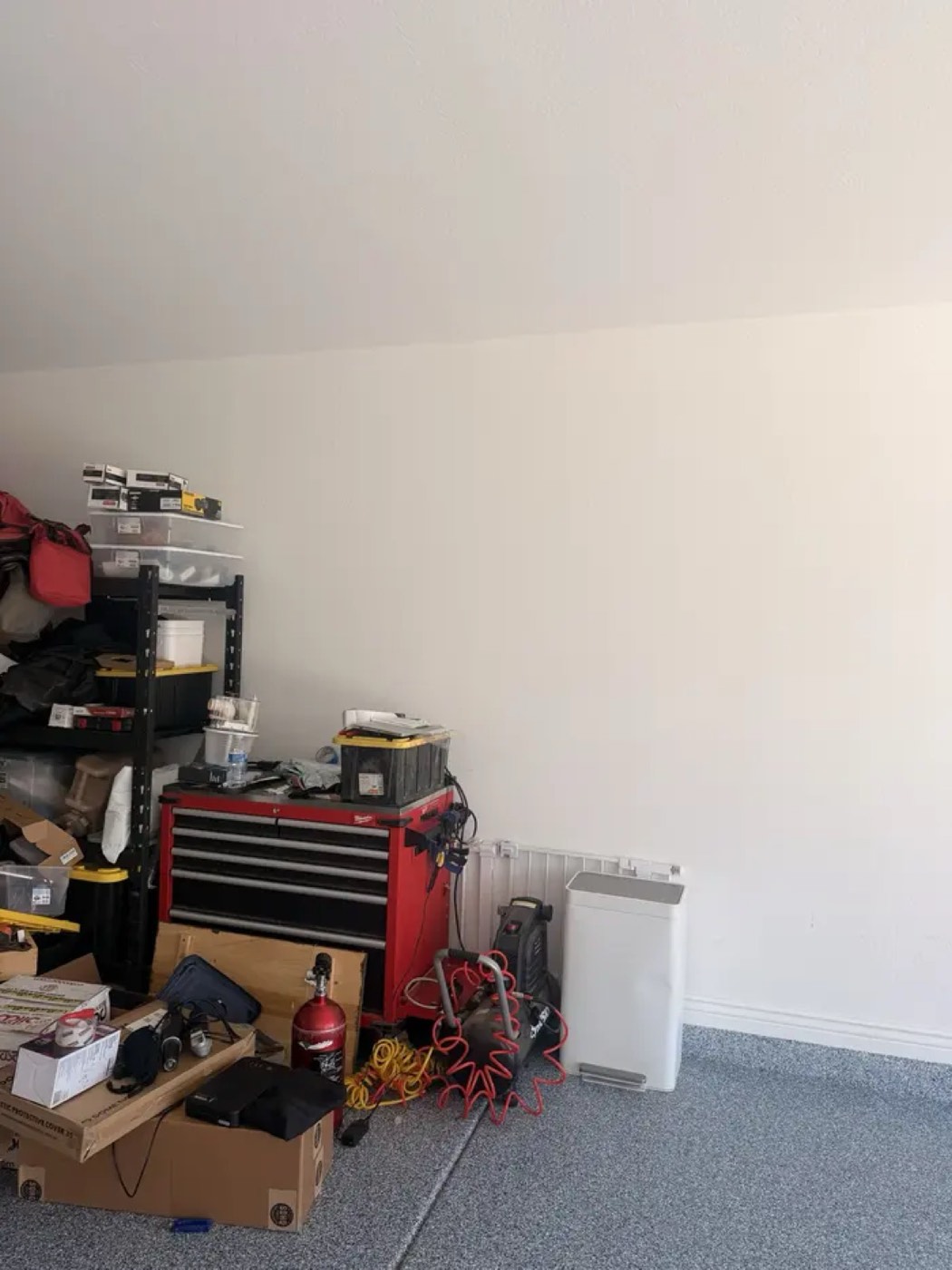
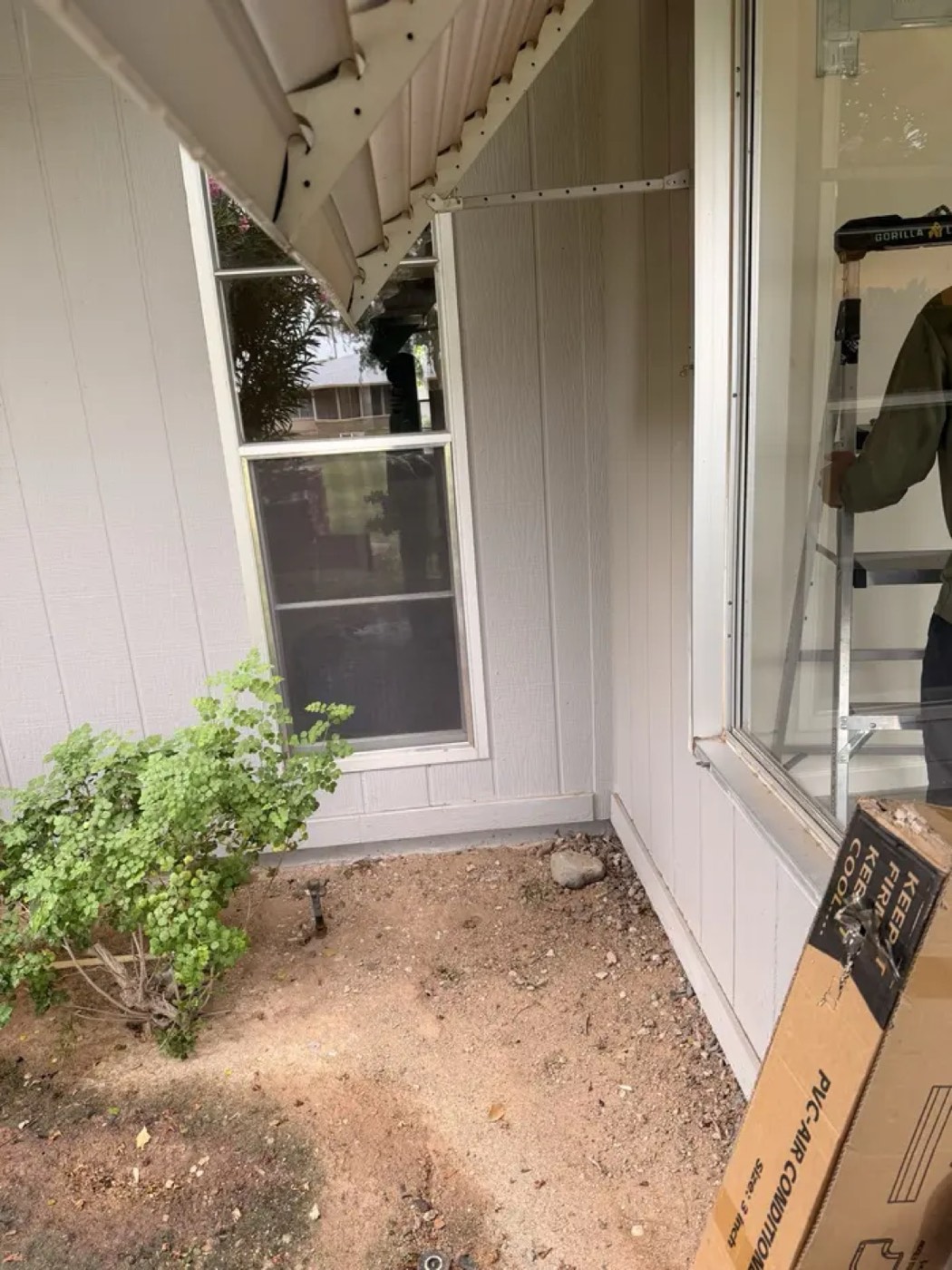
Nathan’s garage was getting way too hot, so he decided to go with a 3-ton AcPro mini split to cool it down. We ran 12 feet of copper and 15 feet of electrical, then tested the system to make sure everything was running properly. Now it’s blowing nice and cold and keeping the garage comfortable.
Sapper HVAC
Mini Split Installation
Kim Kolek
Sep 28, 2026
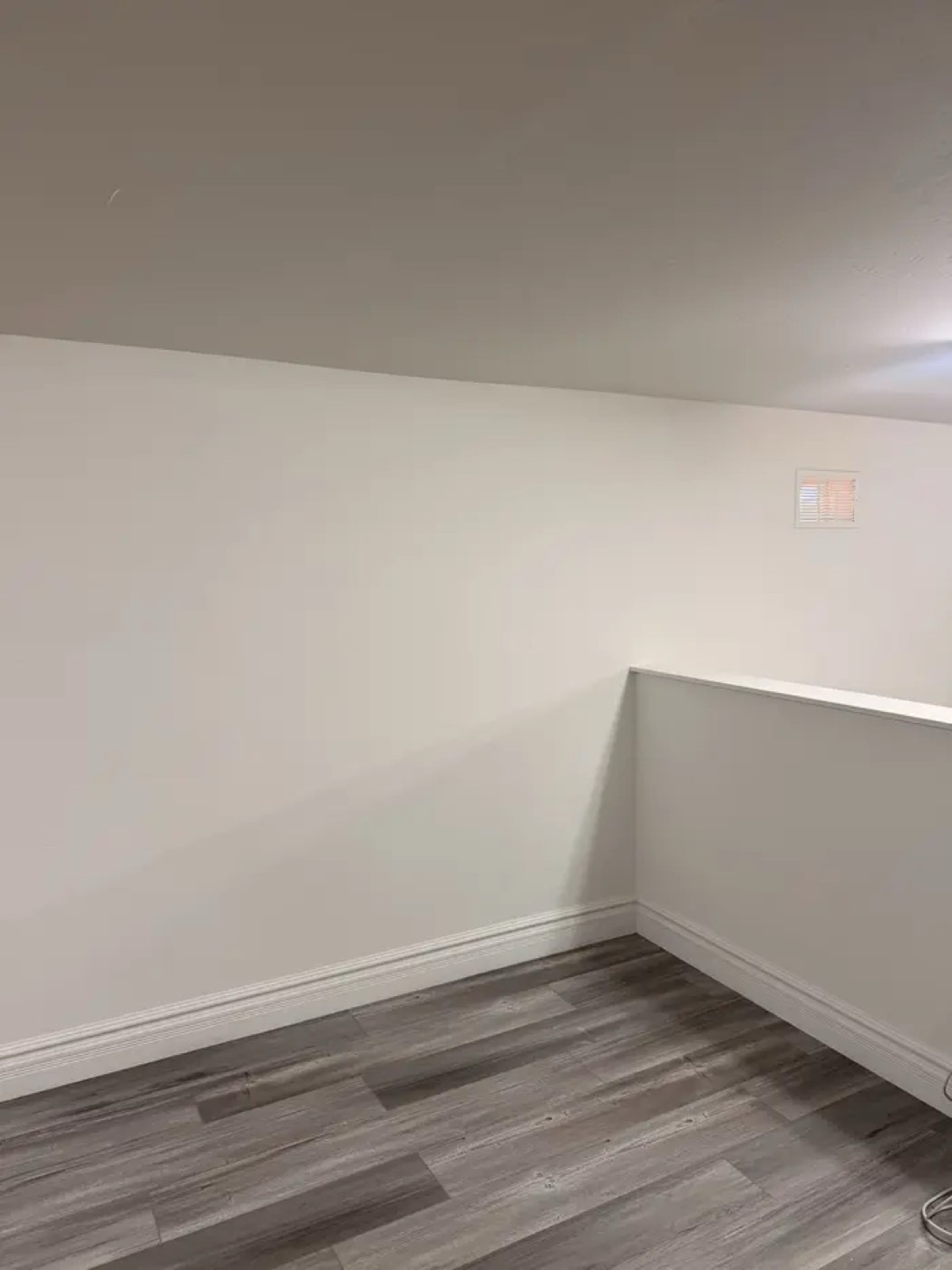
Kim’s room wasn’t comfortable enough, so she decided to go with an 18K Acorn mini split. We ran approximately 80 feet of electrical across the roof and 10 feet of copper lineset. We pumped the system down and tested it to make sure everything was running properly. It’s now running nice and cool, and Kim is happy with the results.
Sapper HVAC
Mini Split Installation
Mike Cicerelli
Sep 25, 2026
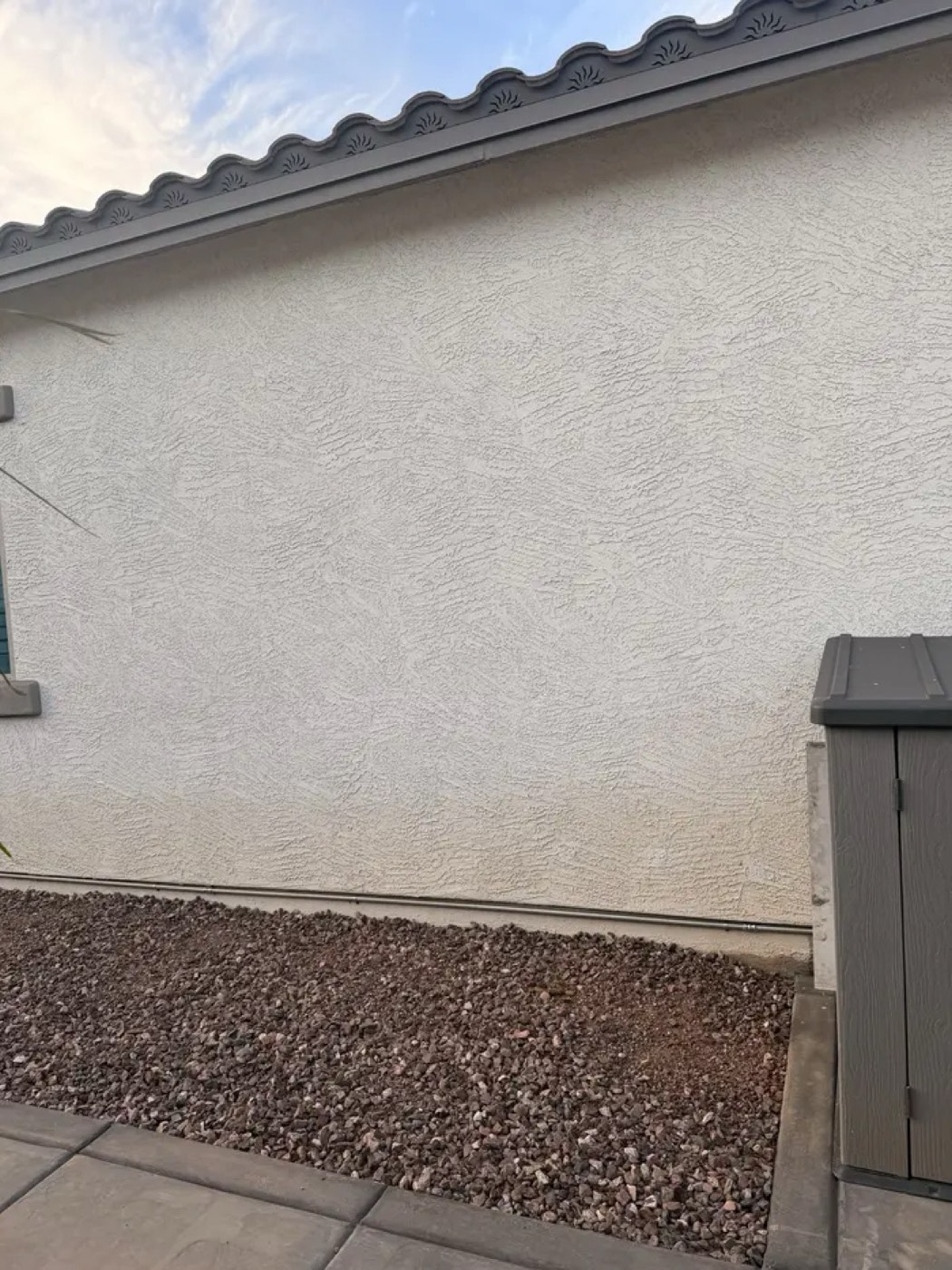
Mike’s RV garage was getting way too hot in the top half, so he went with an 18K AC Pro mini split to keep the space cool and comfortable. We ran 20 feet of electrical and 10 feet of copper line set, tested the system to make sure everything was running properly, and now it’s blowing nice and cold. Mike is happy with the results!
Sapper HVAC
Mini Split Installation
Gary Rice
Sep 23, 2026
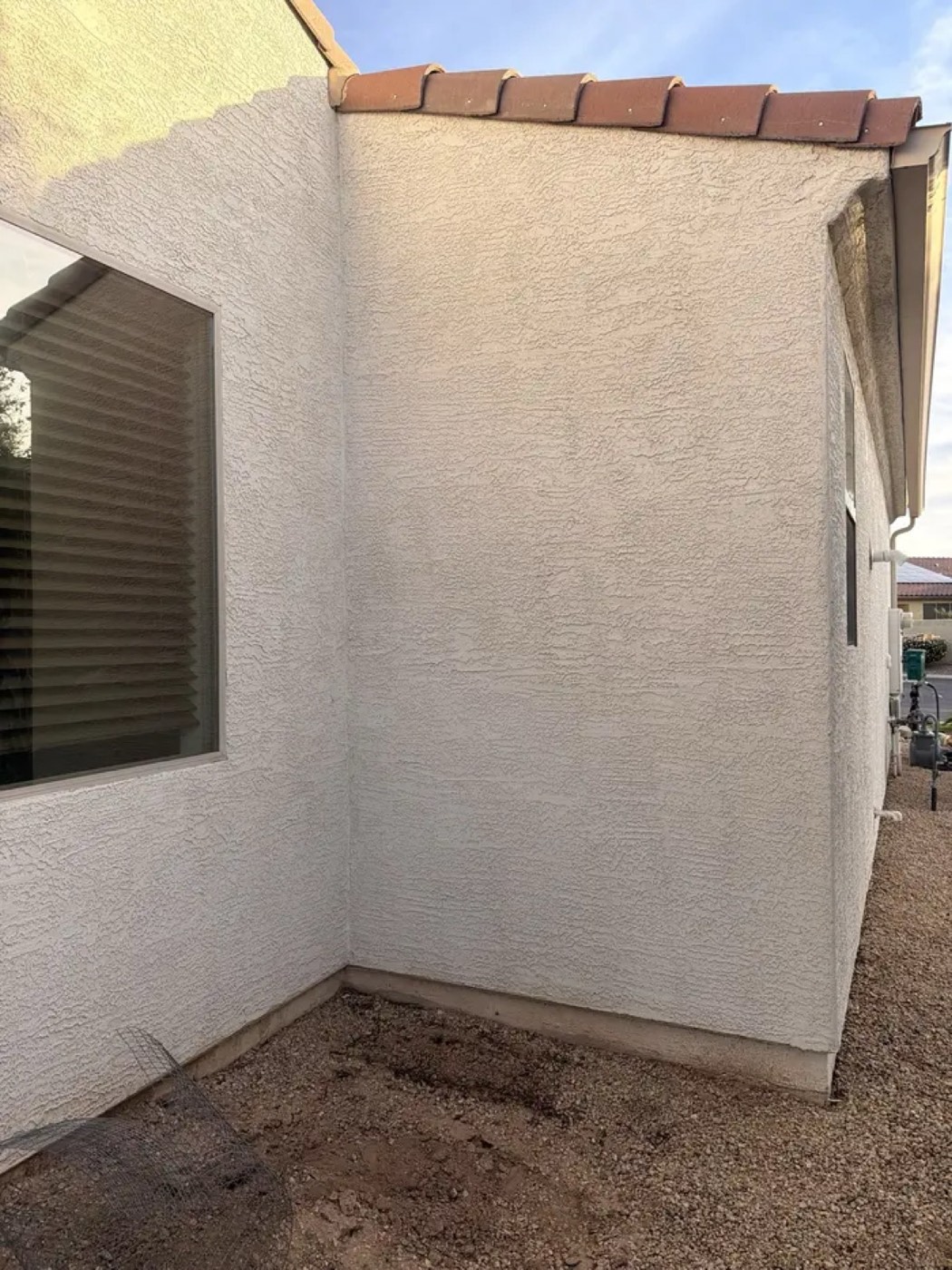
Gary’s garage and RV garage were getting way too hot, so he went with a 3-ton and a 1-ton AC Pro mini split system to keep both spaces nice and comfortable. We ran about 20 feet of total copper lineset and 15 feet of electrical. After installation, we tested both systems to make sure everything was running properly, and now both garages are blowing nice and cold.
Sapper HVAC
Mini Split Installation
Karen Smith
Sep 22, 2026
Karen’s garage was way too hot to enjoy, so she decided to go with a 24K Daikin mini split system to keep the space comfortable. We ran approximately 25 feet of copper line set and 30 feet of electrical, then thoroughly tested the system to make sure everything was running properly. Now her garage is staying nice and cool!
Sapper HVAC
Mini Split Installation
Greg Garret
Sep 21, 2026
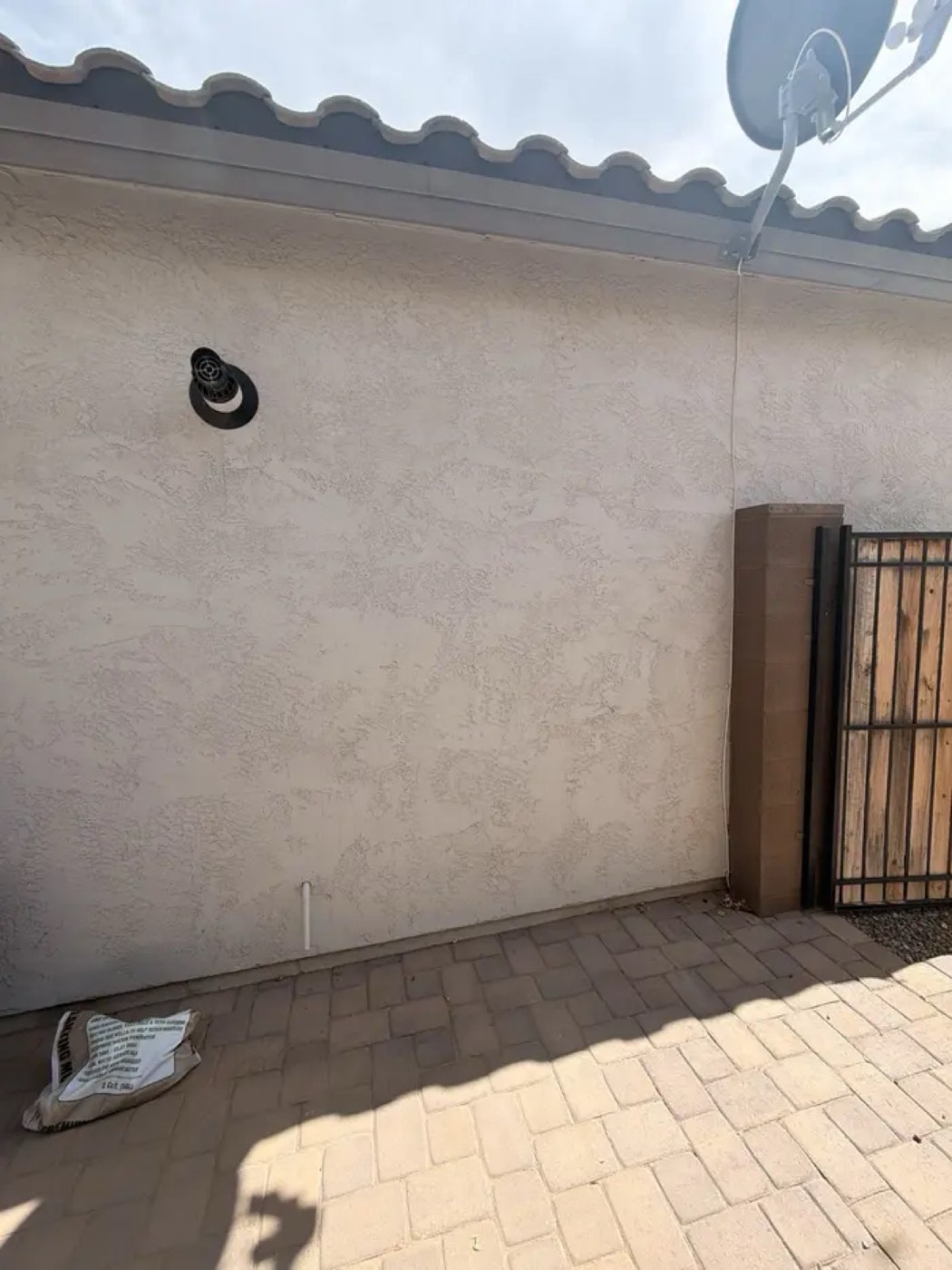
Greg wanted his garage to stay cool and comfortable year-round, so he went with a 24K Aurus mini split to keep the space at the perfect temperature. We ran 15 ft of electrical and 8 ft of copper lineset, then tested the system to make sure everything was running properly. Now his garage is nice, cool, and ready to use!
Sapper HVAC
Mini Split Installation
Andrea Mikkel
Sep 21, 2026
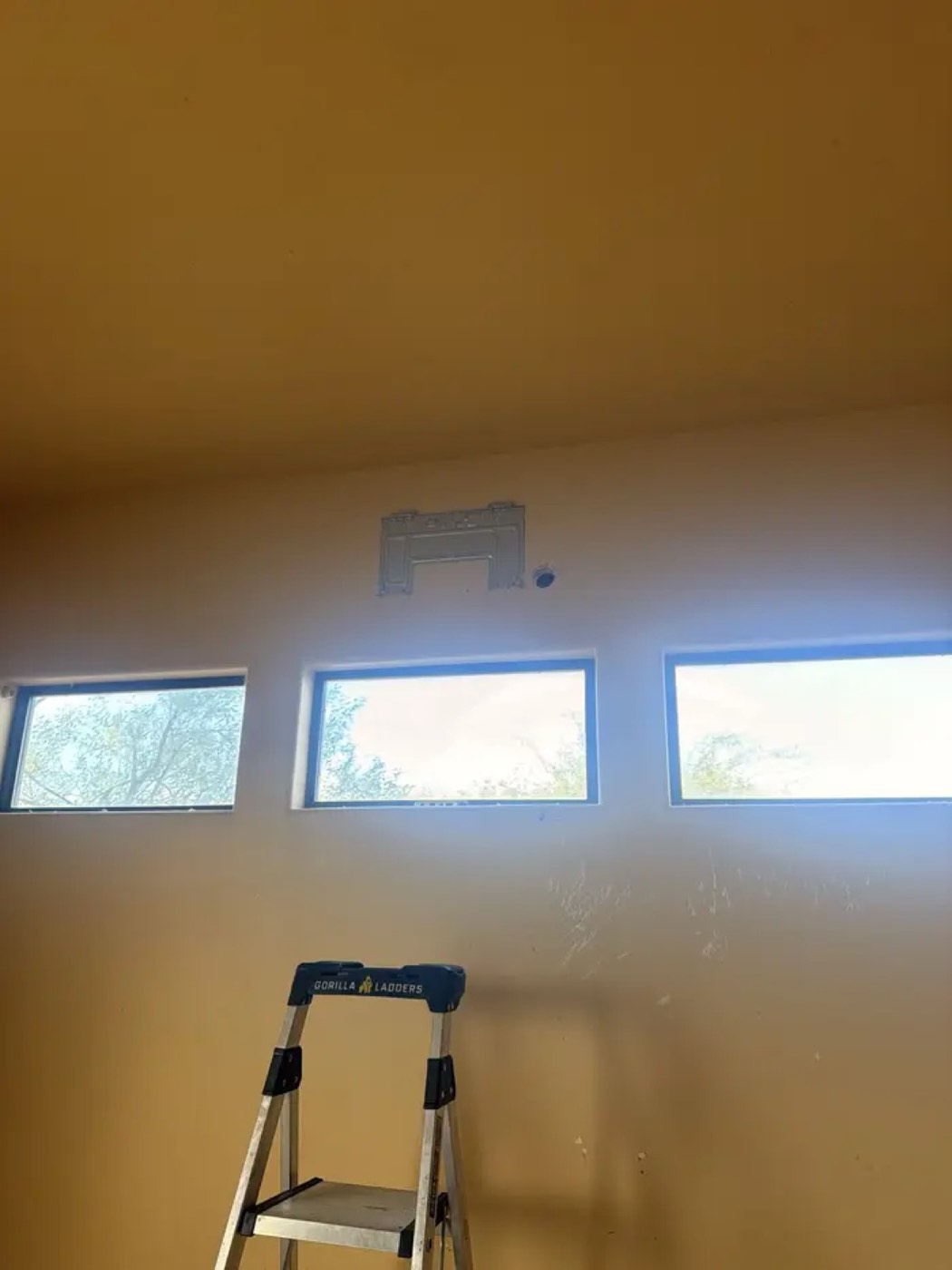
Andreas’s new room was getting way too hot to stay comfortable, so she decided to go with a 12K AC Pro mini split. We ran around 10 feet of electrical and copper lineset, tested the system, and made sure everything was running properly. Now the room is staying nice and cold!
Sapper HVAC
Mini Split Installation
Roy Freeman
Sep 18, 2026
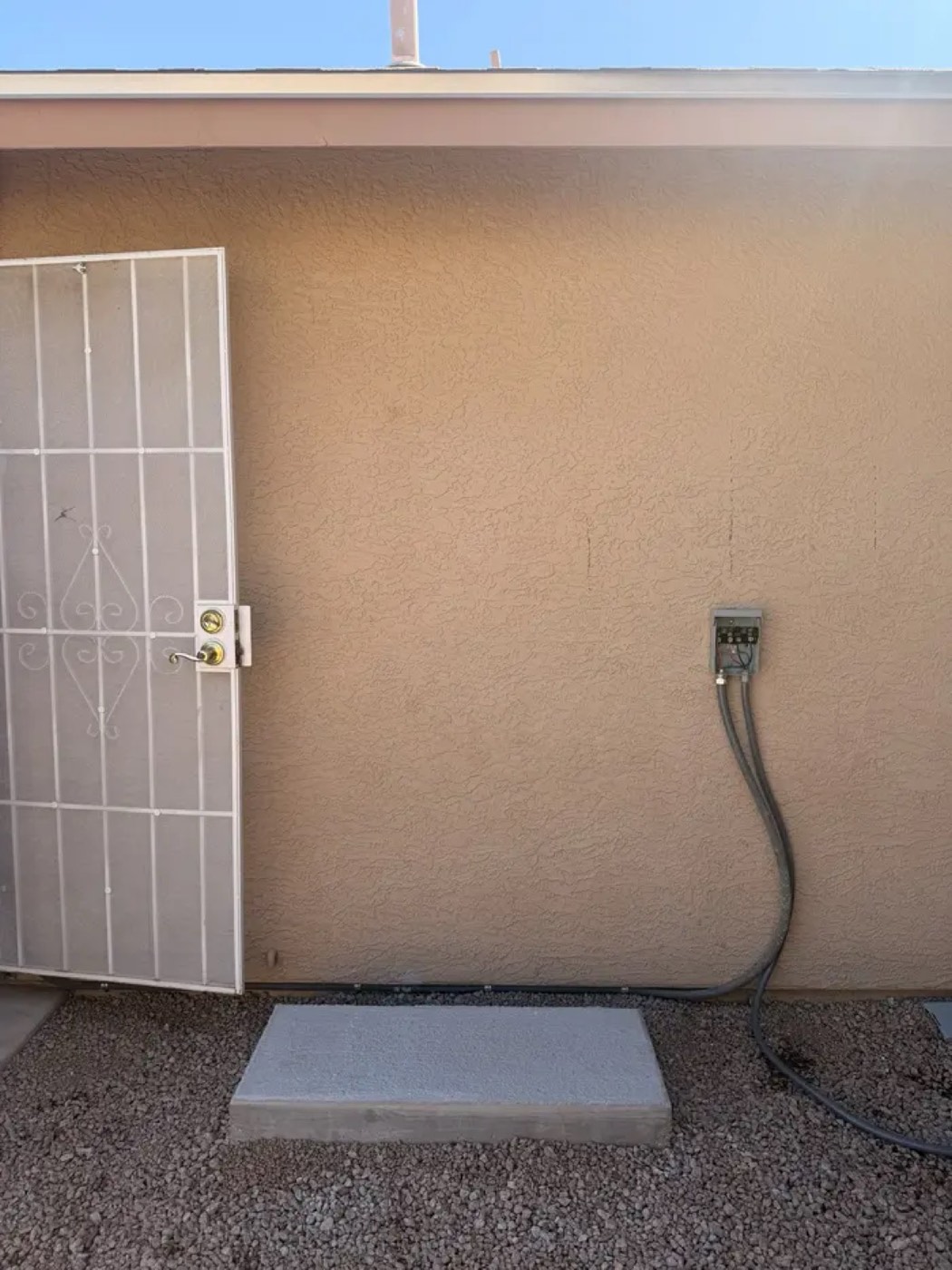
Roy wanted his garage to be comfortable and cool enough to work in, so he decided to go with a 24K Mitsubishi mini split. We ran approximately 15 feet of copper lineset and tested the system to make sure everything was running properly. Now his garage is staying nice and cold and comfortable for his work.
Sapper HVAC
Mini Split Installation
Ryan Reeding
Sep 17, 2026
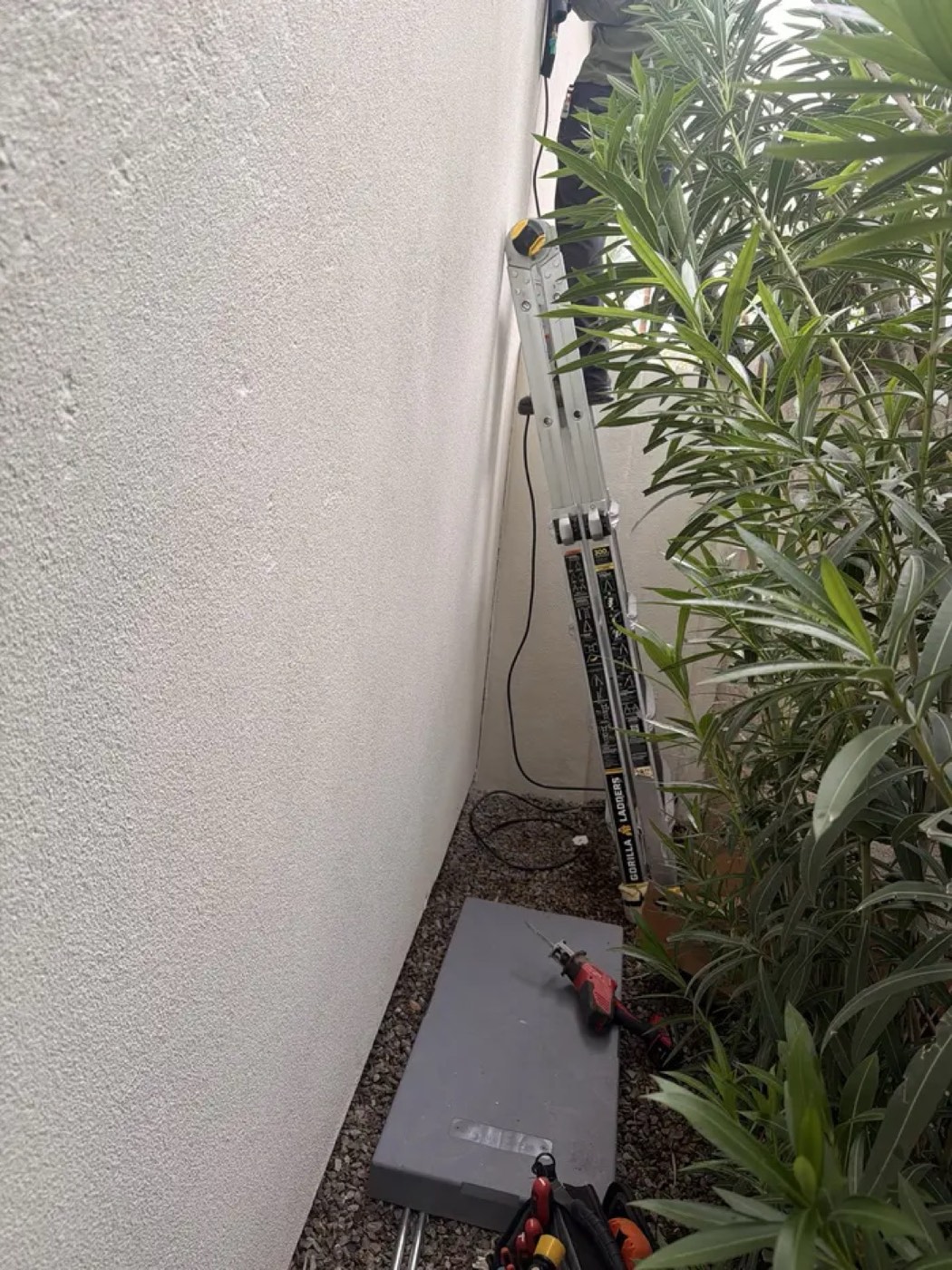
Ryan is building a gym in his garage and wanted to keep the space nice and cool overall, so he decided to go with a 3-ton AcPro mini split. We installed the unit, ran around 30 feet of electrical and 9 feet of copper line set, and tested everything to make sure it was running properly. Everything checked out and the unit was blowing nice and cold.
Sapper HVAC
Mini Split Installation
Eddy Blanco
Sep 15, 2026
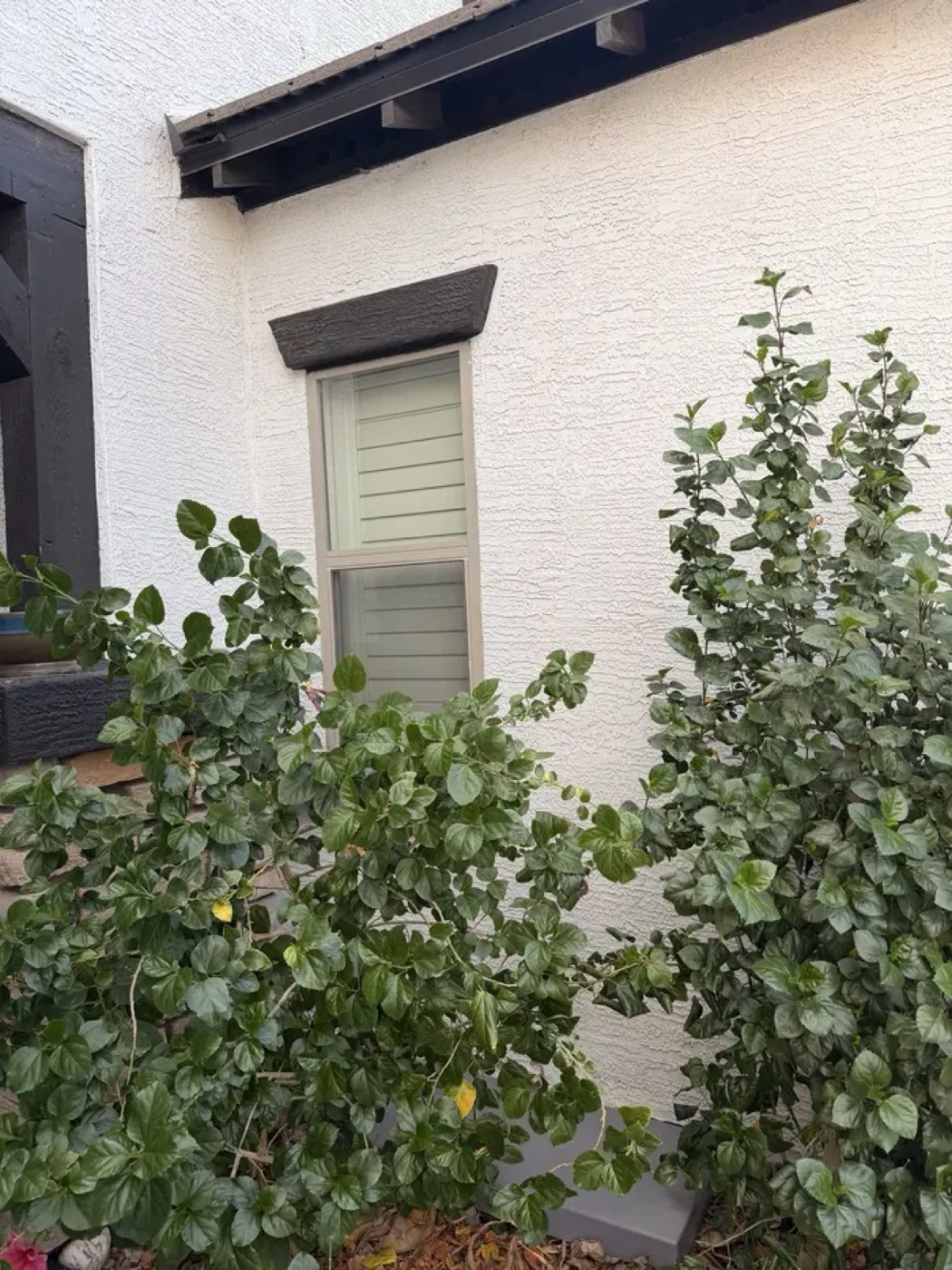
Eddy was turning his extended office into a bedroom, but the space was getting way too hot. He decided to go with a 12K Everwell mini split to keep the room comfortable. We ran 10 feet of copper and installed a new outdoor outlet to power the unit. We pressure-tested the system with nitrogen, checked everything to make sure it was running properly, and the unit performed great. Eddy was happy with the results.
Sapper HVAC
Mini Split Installation
Jayson Payne
Sep 15, 2026
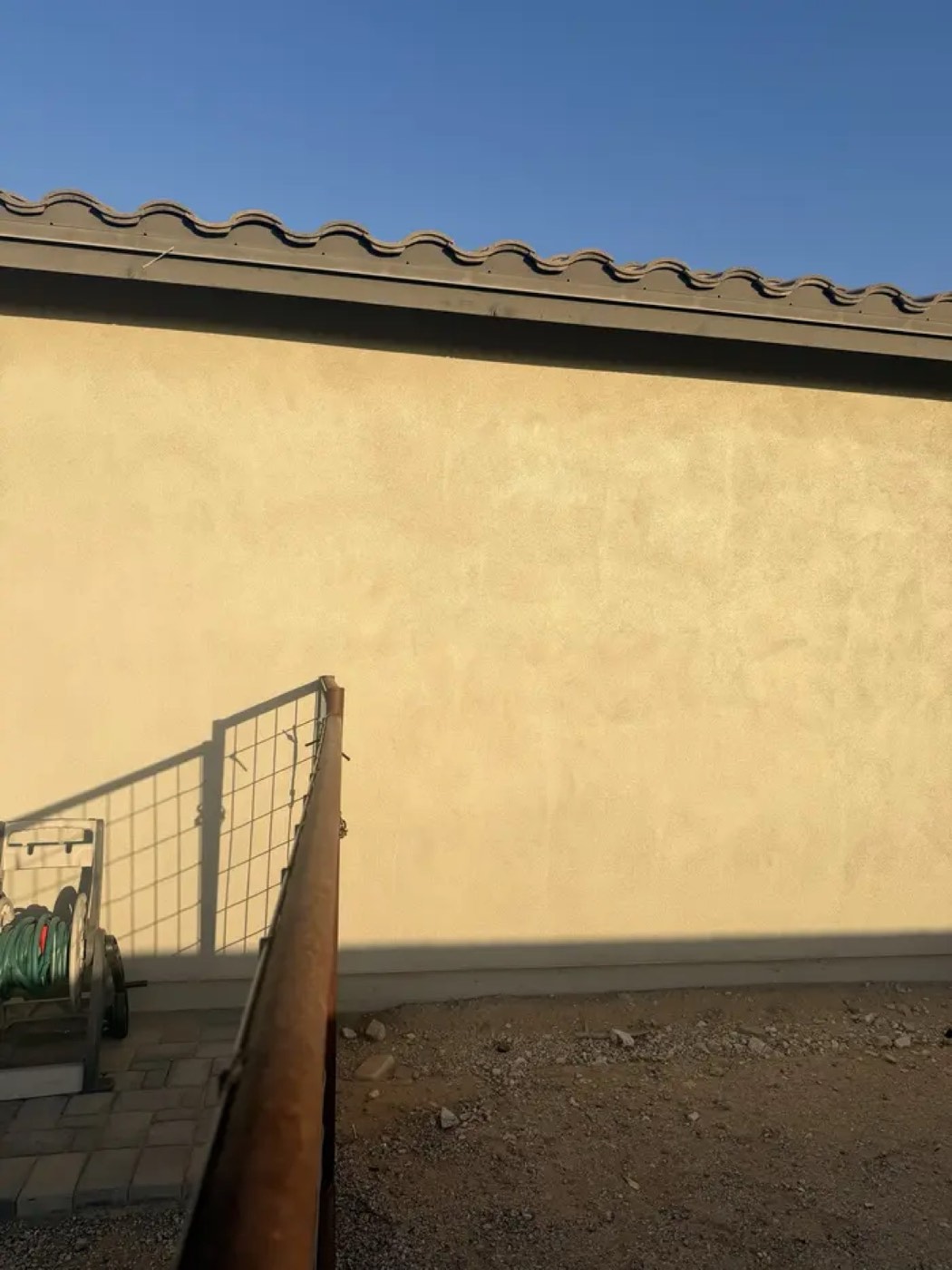
Jayson’s garage was getting way too hot in this weather, and he couldn’t stand being in there, so he decided to go with a 24K MrCool mini split to cool it down. We ran 100 feet of electrical and 8 feet of copper. We tested the system to make sure everything was running properly, and now it’s blowing nice and cold. Jayson was happy with the results.
Sapper HVAC
Mini Split Installation
Zechariah Hargrave
Sep 14, 2026
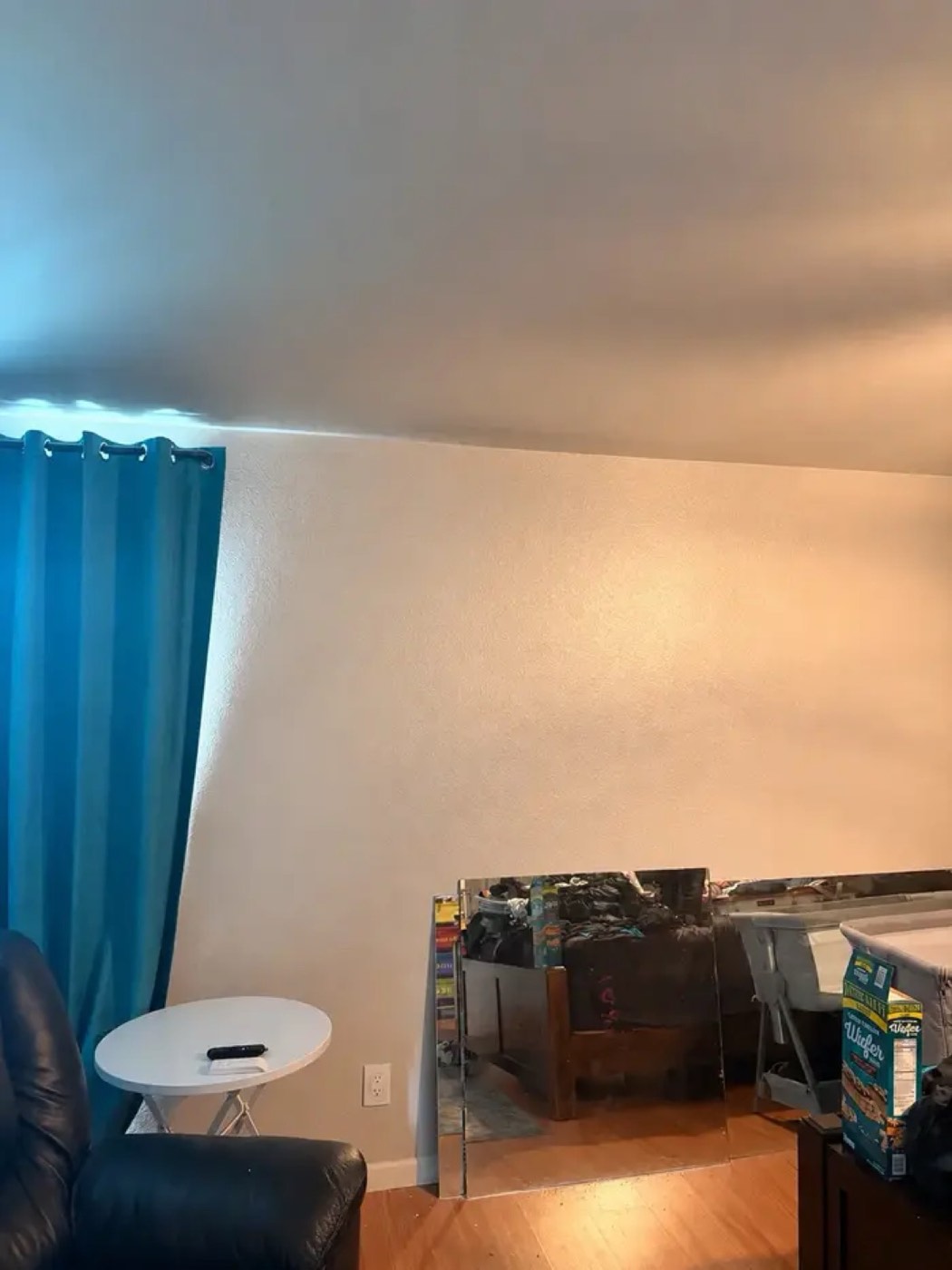
Zechariah’s room and his kids’ room weren’t getting cool enough, so he decided to go with a Daizuki multizone mini-split system with a 12,000 BTU head for one room and an 18,000 BTU head for the other.
We made sure the system was properly installed, tested, and running correctly. We ran approximately 80 feet of electrical and 25 feet of copper line set in total.
Sapper HVAC
Mini Split Installation
Michelle
Sep 11, 2026
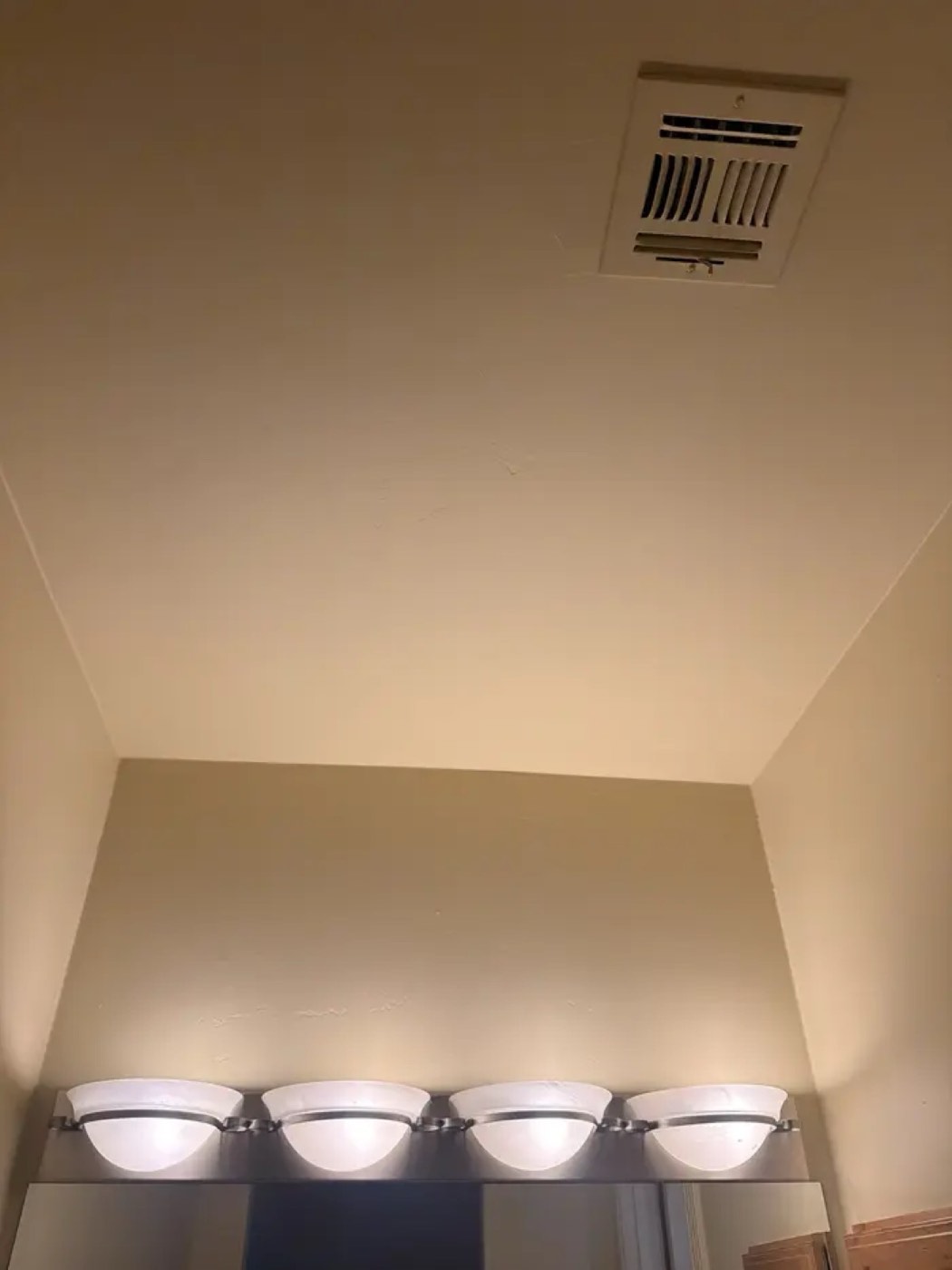
Michelle wanted her guest room to be more comfortable, so she decided to go with a 12K BTU AC Pro mini-split. We ran approximately 20 feet of copper to reach the unit and installed an outdoor outlet to power it. Michelle is happy with the results, and now her guest room is nice and cool! ❄️
Sapper HVAC
Mini Split Installation
Ben Benton
Sep 10, 2026
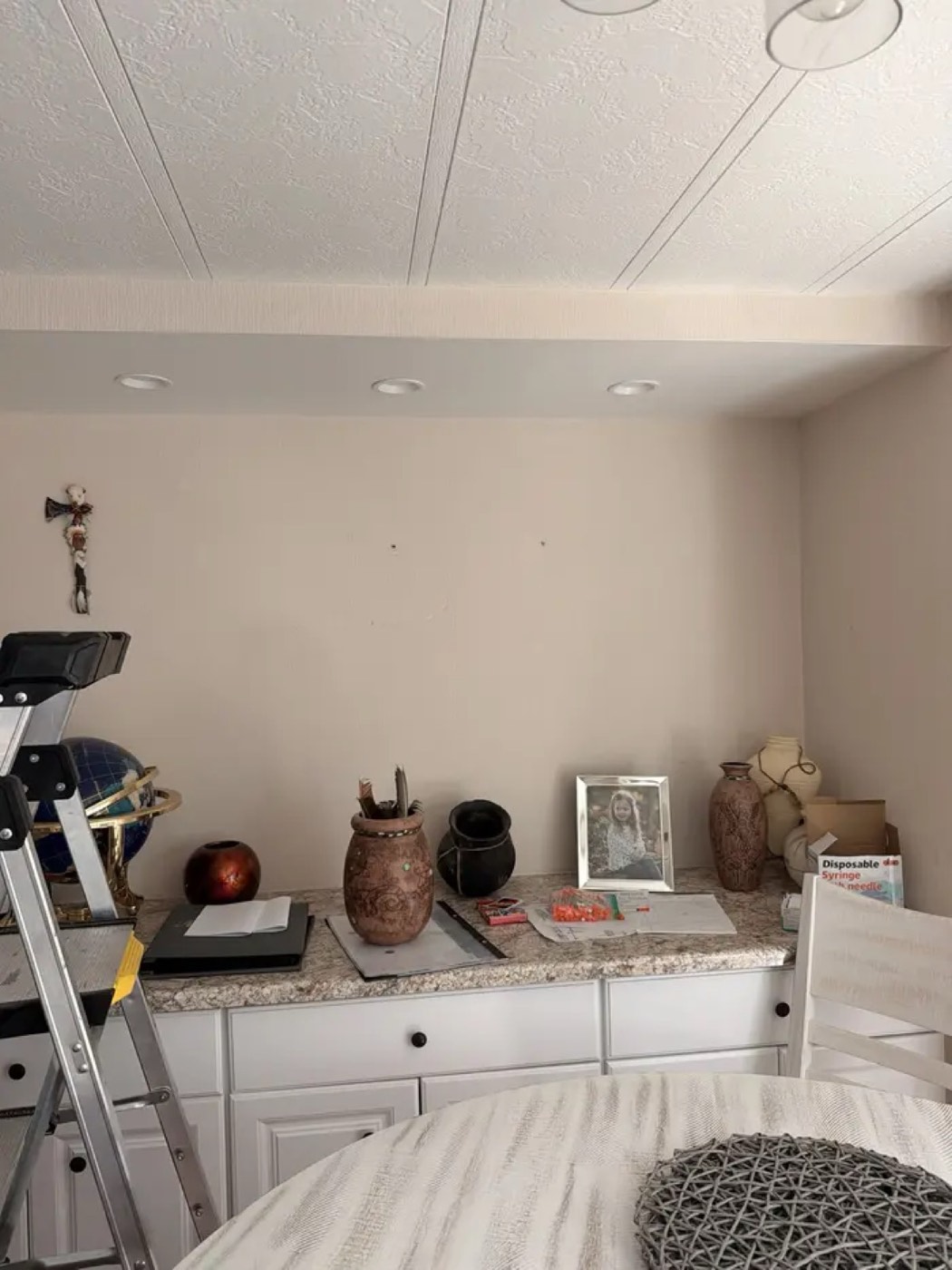
Ben’s room and living room weren’t as comfortable as he wanted, so he decided to go with a 12K Everwell for the bedroom and an 18K Everwell for the living room. We ran 25 feet of copper through the garage to reach the other side of the home, along with 60 feet of electrical to complete the installation.
Sapper HVAC
Mini Split Installation
Patt Garza
Sep 03, 2026
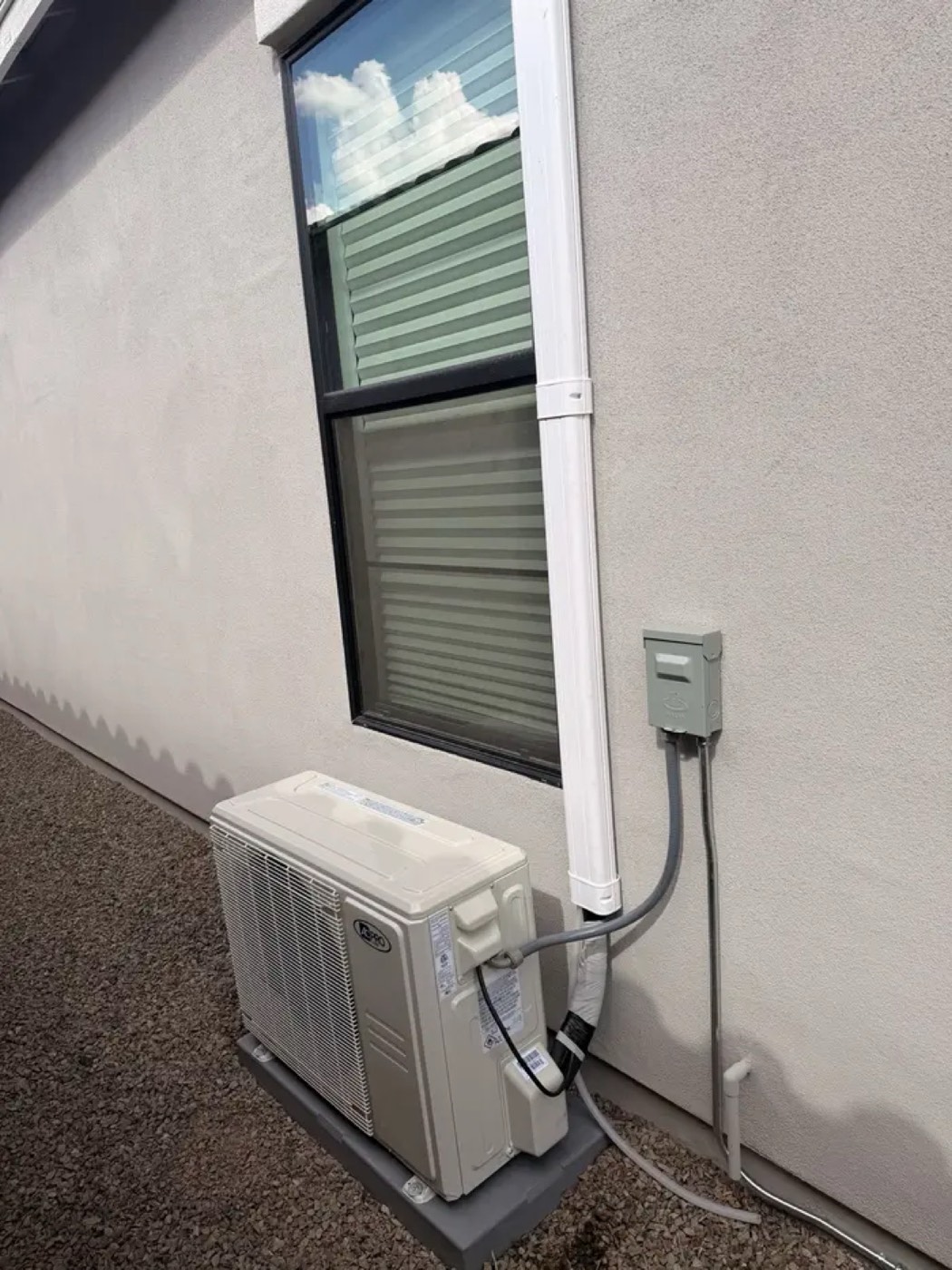
Pat’s garage was getting extremely hot and uncomfortable, so he decided to go with our 24K AcPro mini split to bring the temperature down and make the space more comfortable. We ran approximately 15 feet of line set and 15 feet of electrical, then tested the system to make sure everything was running properly. Now the garage is nice and cold, and Pat is very happy with the results.
Sapper HVAC
Mini Split Installation
Stan Cooper
Sep 02, 2026
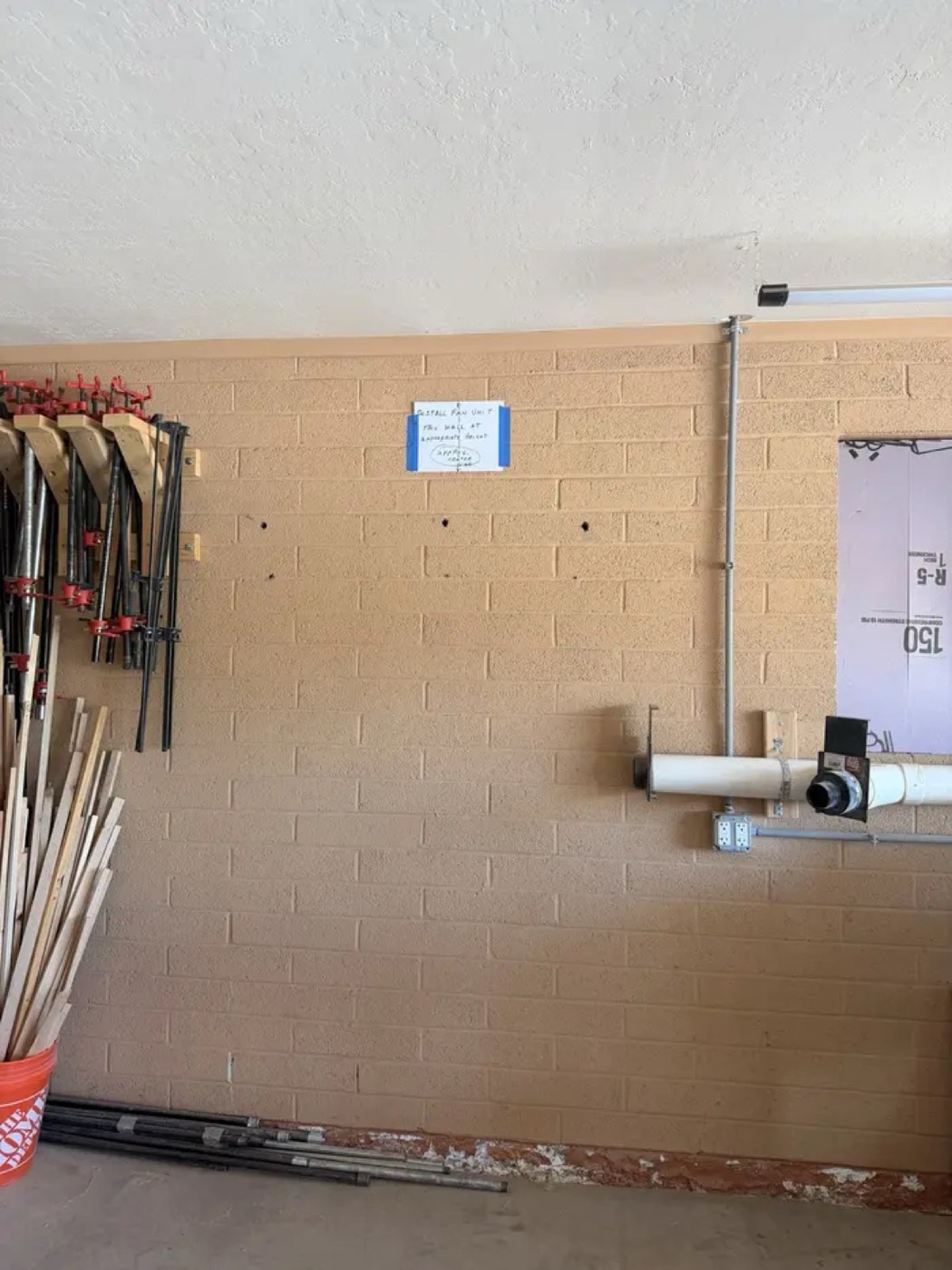
Stan’s garage was getting way too hot for him to work comfortably, so he decided to go with a 1-ton AcPro mini split to keep the space cool and comfortable. We ran around 10 feet of copper, pressure-tested the system, and made sure everything was running properly. Stan is very happy with the results, and his garage is now nice and cool! ❄️
Sapper HVAC
Mini Split Installation
Steve Wilson
Sep 01, 2026
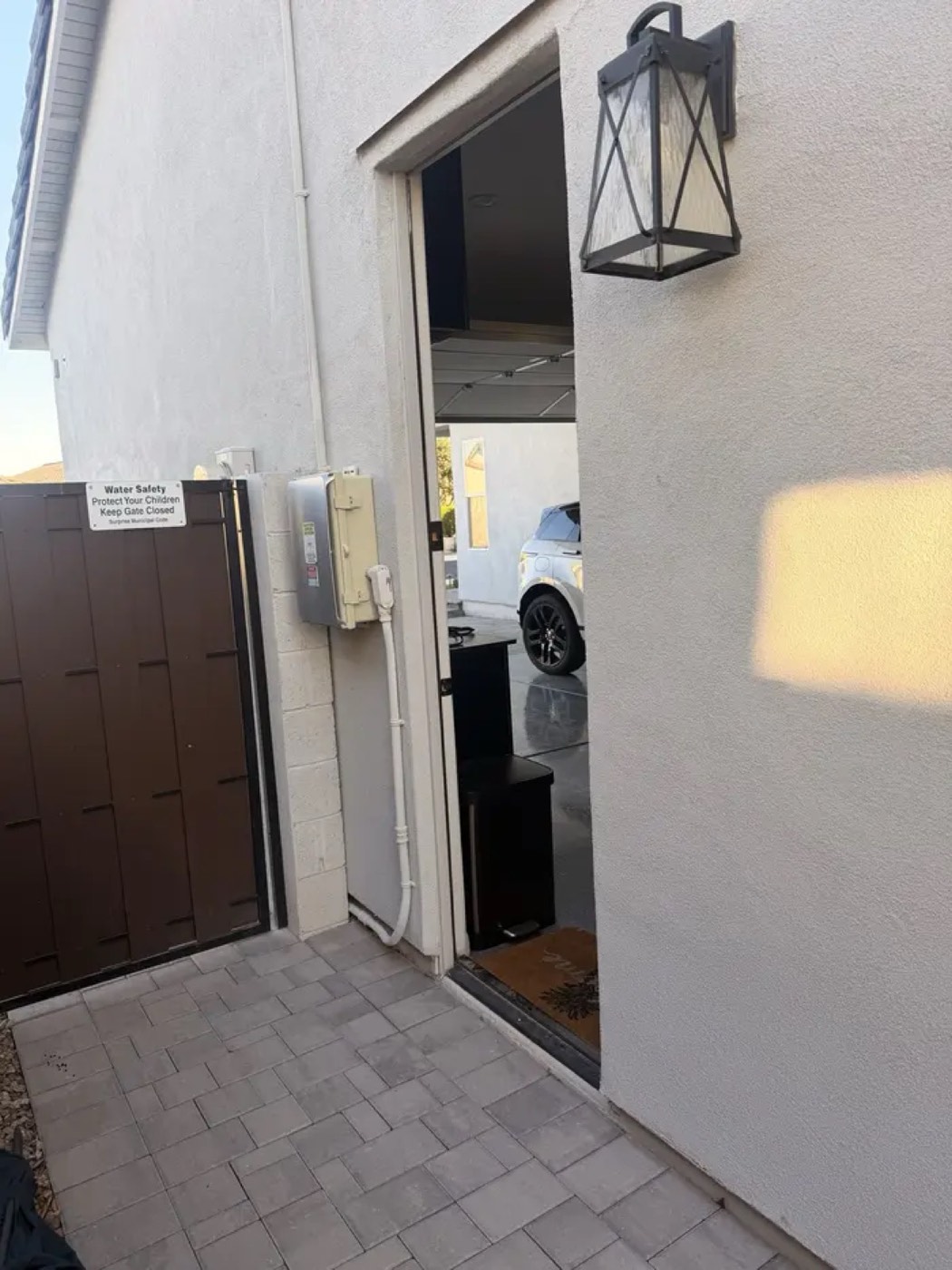
Steve’s garage was extremely uncomfortable due to the high temperatures, so he decided to install a 24K Daikin mini-split system to keep the space cool and comfortable. We ran approximately 15 feet of electrical and 15 feet of copper line set, then tested the system to ensure everything was operating properly. Steve is very happy with the results, and his garage is now nice and cold.
Sapper HVAC
Mini Split Installation
Troy Clark
Sep 01, 2026
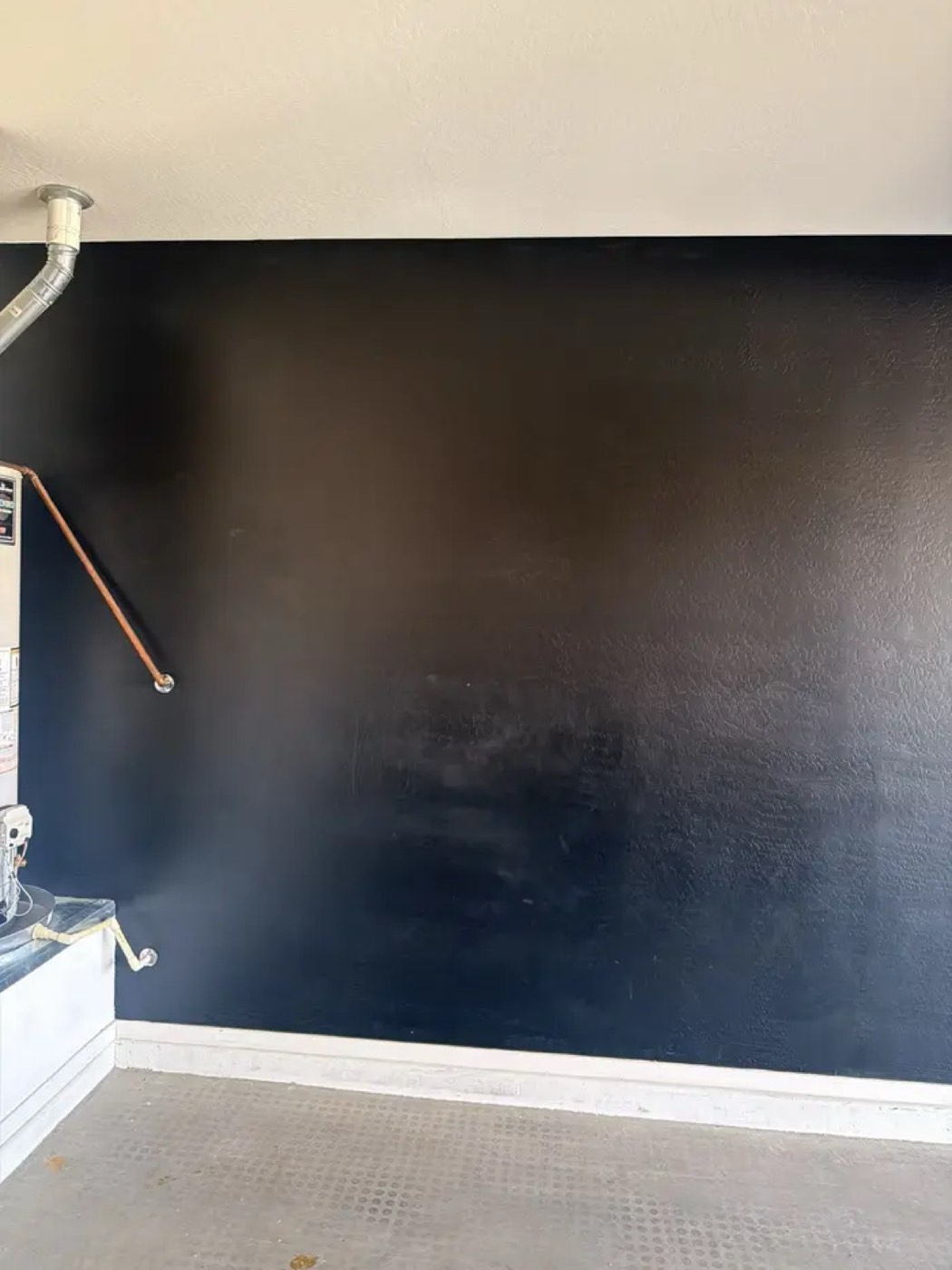
Troy’s garage gym was way too hot to work out comfortably, so he decided to install a 24K AC Pro Mini Split to keep the space cool and comfortable. 💪❄️
We ran approximately 15 feet of copper and 15 feet of electrical, then tested the system to make sure everything was running properly. Now it’s blowing nice and cold, and Troy is happy with the results!
Sapper HVAC
Mini Split Installation
Bob Chip
Aug 31, 2026
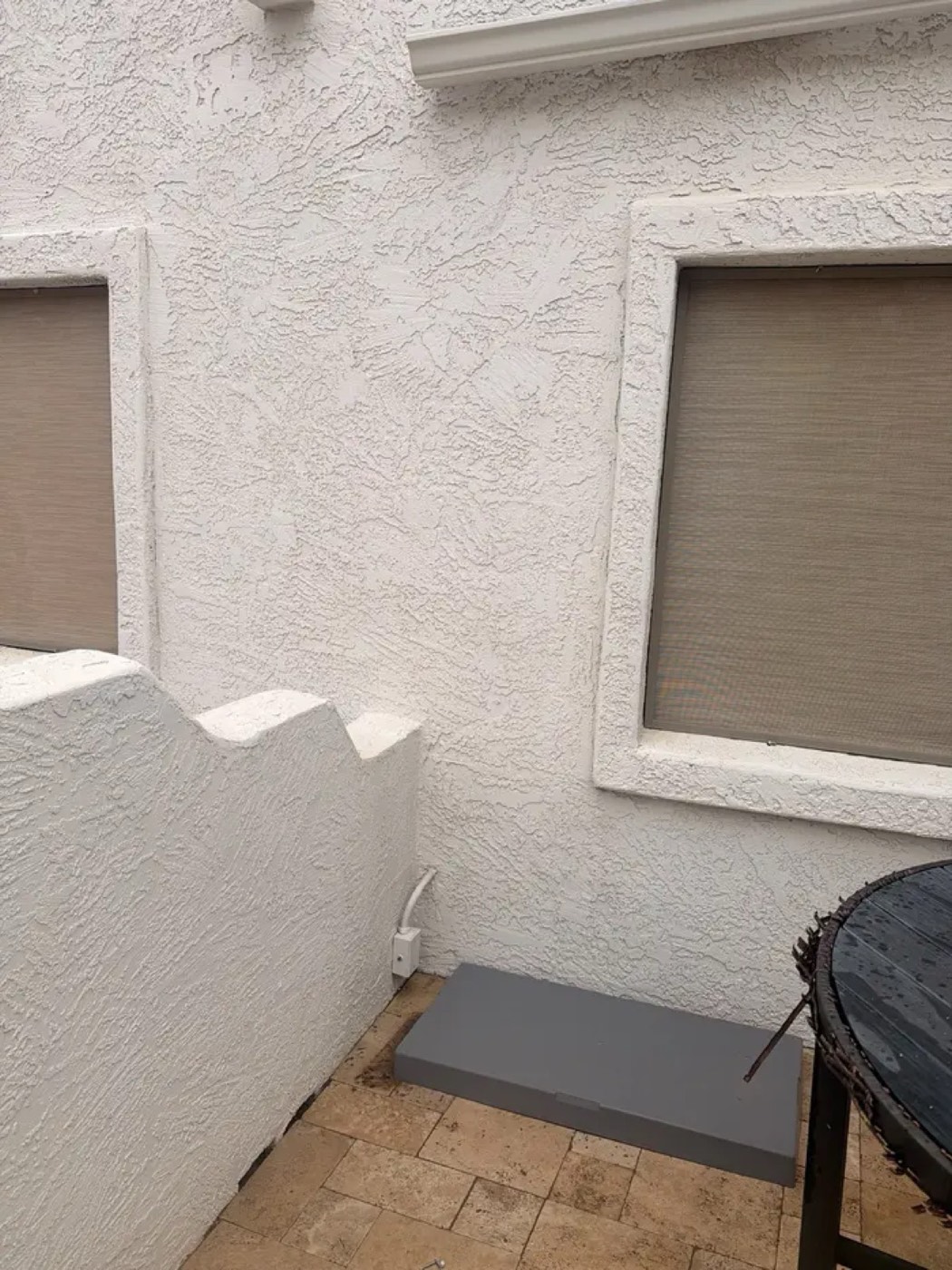
Bob’s room wasn’t comfortable to be in, so he decided to install a 1-ton AcPro mini split to keep the room cool and comfortable. We ran 13 feet of copper and installed an outdoor outlet to power the condenser. We tested the system to make sure everything was running properly, and now the room is nice and cold! ❄️
Sapper HVAC
Mini Split Installation
Rodney Avery
Aug 31, 2026
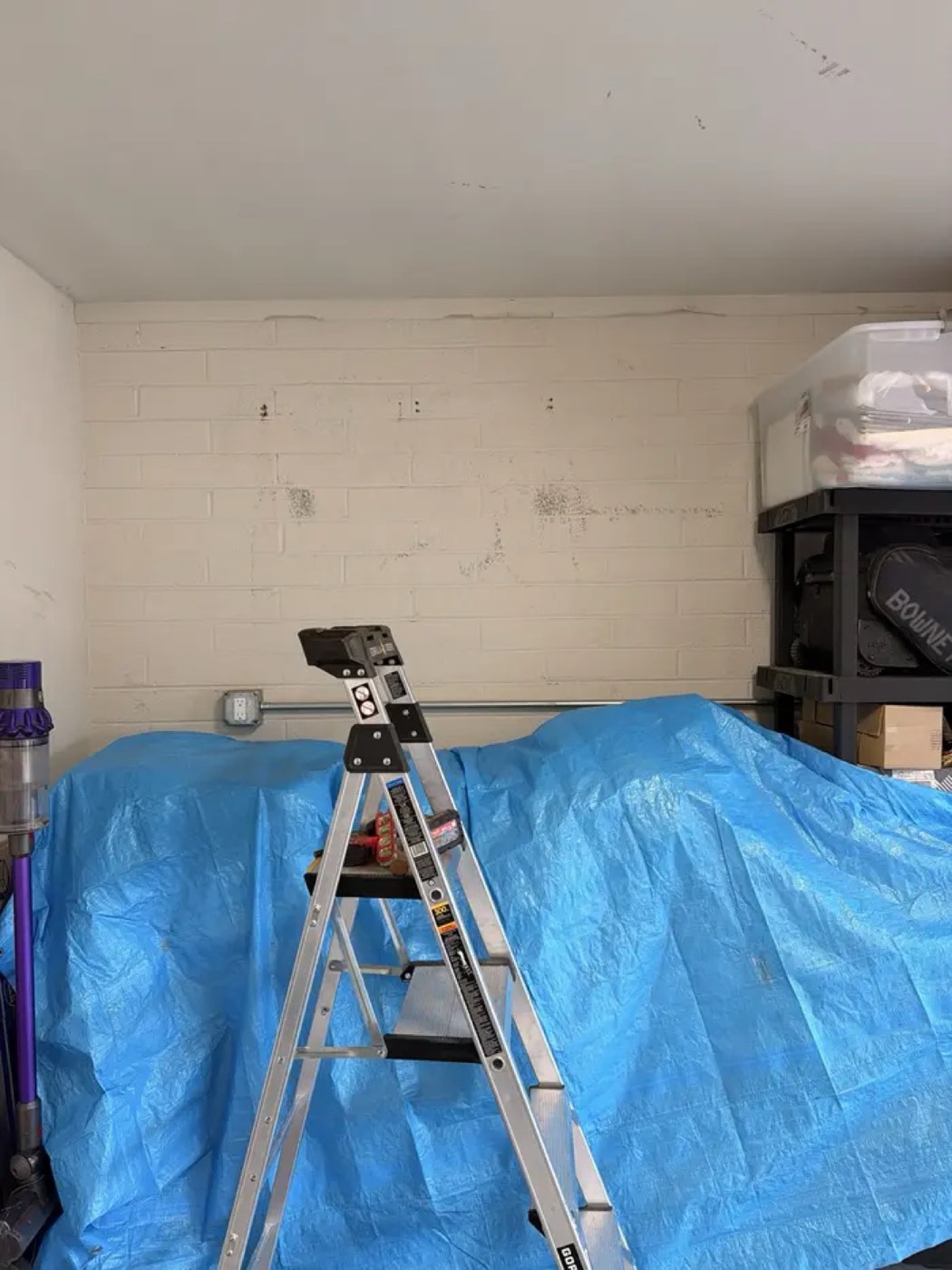
Rodney’s garage was getting too hot for him to comfortably work in, so he decided to install a 24K AC Pro mini-split to keep the space at a comfortable temperature.
We ran approximately 20 feet of electrical and 8 feet of copper, completed the installation, and made sure the system was running properly.
Now Rodney can enjoy a nice, cold garage and get back to working comfortably! 🥶
Sapper HVAC
Mini Split Installation
Not sure if a package or split system is right for you? For garages or hot rooms, Arizona garage cooling with a mini split is often the most efficient solution. For whole-home comfort, explore our central AC installation Phoenix services. HVAC financing options and Arizona utility rebates are available for all installation types across the Phoenix Metro service area. Get started today — we'll recommend the right system.
Veteran-owned · AZ ROC #360142
Need a repair? Sapper HVAC services systems installed by any contractor with a $149 service call. Planning a replacement or new installation? Estimates are free.